Skip to content


Japan changes a lot with the seasons and that can make picking a time to visit feel exciting but also kind of overwhelming. Instead of trying to find one ideal month it seems better to think about the kind of trip you want. Soft and full of flowers or maybe bright with festivals and events. Cool and quiet or warm and covered in snow.
Each season has its own feel and you sort of choose the one that matches how you want the trip to go. There is a guide that breaks it down season by season and shows what usually happens. It talks about what to expect across the country and how things might shape your visit. Some parts might stand out more than others as you read through it. That part is easy to miss sometimes.
Contents
- 1 Spring in Japan (March–May)
- 2 Summer in Japan (June–August)
- 3 Autumn in Japan (September–November)
- 4 Winter in Japan (December–February)
- 5 How to choose your best season
- 6 FAQs: Best time to visit Japan
- 6.1 Q1: What is the best time to visit Japan overall?
- 6.2 Q2: When is the best time to visit Japan for good weather?
- 6.3 Q3: What are the best seasons to visit Japan?
- 6.4 Q4: How does Japan’s weather change by season?
- 6.5 Q5: What is the best time to visit Japan in 2026?
- 6.6 Q6: When is the best time to visit Japan for cherry blossoms?
- 6.7 Q7: Is there a single “best month” to visit Japan?
- 6.8 Q8: Is winter a good time to visit Japan?
Spring in Japan (March–May)

If you’re dreaming about the best time to visit Japan for a once-in-a-lifetime trip, spring is the season most travelers — and many locals — quietly recommend. It’s not just about cherry blossoms; it’s about how the whole country collectively shifts from winter to warmth, from quiet to shared, gentle celebration.
In early spring, especially from late March into April, parks and riverbanks fill with hanami gatherings, where people sit under blooming trees, eating, laughing, and watching petals drift down like soft snow. The blossoms start in the south and slowly move north, so if you’re flexible with your dates and regions, you can “follow” spring up the country rather than chasing a single perfect day.
Weather-wise, expect cool mornings, fresh but comfortable afternoons, and evenings that still call for a coat — especially in cities like Tokyo or Kyoto. This is where smart layering becomes essential: think lightweight knits, a packable jacket, and shoes you can walk in for hours without thinking about your feet. It’s not unusual to be bundled up in a warm coat while standing in front of flower-filled gardens, and that contrast is part of the charm of spring travel in Japan.
Spring is also a deeply sensory season. Limited-edition sweets and drinks appear in convenience stores, cafes rotate to lighter, seasonal flavors, and even packaging changes to match the mood of the moment. If you pay attention, you’ll notice that the best time to visit Japan isn’t just something you see on the trees; it’s something you taste, carry, and move through with thousands of other people doing the same.
Summer in Japan (June–August)

Summer is often overlooked when people ask about the best time to visit Japan, mainly because of humidity — but for certain travelers, it’s exactly the right choice. If you love festivals, fireworks, and long, lively evenings, summer offers an energy you simply won’t find in other seasons.
The season usually begins with the rainy period in June, when showers are frequent but often short and manageable. This makes cities like Tokyo and Osaka feel atmospheric rather than gloomy, with glossy pavements, reflections of neon lights at night, and fewer crowds at some outdoor sights. A sturdy compact umbrella or light rain jacket is enough to keep you exploring without interruption.
From July into August, heat and humidity peak, especially in major cities. This can be intense if you’re sensitive to higher temperatures, but it also coincides with some of Japan’s most vivid experiences, including summer matsuri (festivals), night markets, and huge fireworks displays that locals travel specifically to see. If you pace yourself — early morning sightseeing, indoor breaks at midday, evening strolls when the air softens — summer can still be a rewarding time for your trip.
Summer is also a strong contender if your version of “best time to visit Japan” includes nature and hiking. Higher elevations and northern regions offer cooler temperatures, lush green landscapes, and outdoor activities from national parks to coastal walks. With a Japan Rail Pass or individual train tickets, you can easily move from dense cities to quieter countryside and balance the heat with altitude and sea breezes.
Autumn in Japan (September–November)

For many repeat visitors, autumn quietly wins the debate about the best time to visit Japan. Where spring is soft and floral, autumn is rich and atmospheric: think temple grounds wrapped in red and gold leaves, crisp air that makes long walks comfortable, and a food scene that leans into hearty, seasonal flavors.
Early autumn can still feel warm, especially in September, but by October and November the weather settles into a cooler, more stable pattern that suits full days of sightseeing. This is an ideal time to explore multiple cities in one trip — Tokyo, Kyoto, Osaka, Hiroshima and beyond — without constantly worrying about extreme temperatures or heavy rain. Crowds do gather at popular foliage spots, but overall it’s often less chaotic than peak cherry blossom weeks in spring.
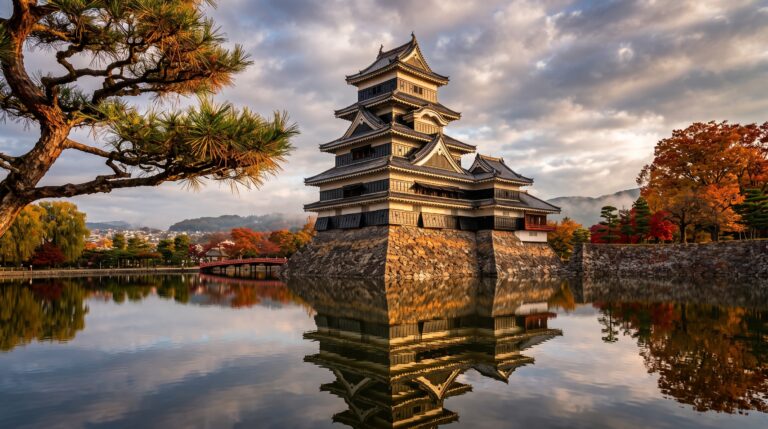
Visually, autumn might be the most dramatic time of year. Mountainsides turn deep red and orange, castle grounds feel cinematic with fallen leaves on stone paths, and even small neighborhood shrines and gardens transform as the season deepens. If your travel style leans toward photography, slow walking, and discovering calm corners of busy cities, the rhythm of autumn in Japan may fit you more naturally than any other season.
Another reason autumn is a strong candidate for the best time to visit Japan is the balance it offers. You get kinder weather, memorable seasonal food, and a full calendar of cultural events without the pressure of timing a single, short-lived bloom. You’re not racing the calendar; you’re moving through a season that lasts long enough to relax into.
Winter in Japan (December–February)

Winter is the most underrated answer to the question, “When is the best time to visit Japan?” If you’re drawn to quieter streets, clear air, and experiences that feel almost meditative, this season can be a powerful choice — especially from mid-January to early March, when many popular areas are noticeably less crowded.
In the cities, winter brings crisp days and cold nights, but also a sense of space. You can wander through Tokyo neighborhoods, explore Kyoto’s temples, and linger in museums or cafes without the intense crowds of peak spring or autumn weeks. The cooler air often makes long urban days more comfortable than you’d expect, as long as you dress warmly and keep moving.
For snow lovers, winter is arguably the best time to visit Japan. Regions like Hokkaido and parts of Nagano and Niigata deliver some of the world’s most reliable powder snow, drawing skiers and snowboarders from around the globe. Here, your days are spent on the slopes and your evenings soaking in hot spring onsens, where the contrast between icy air and steaming water feels almost surreal.
Winter also changes how classic experiences feel. Onsen baths become deeper, more comforting rituals; hot bowls of ramen and steaming plates of yakitori taste even better when you step in from the cold; and views of landmarks like Mount Fuji can be clearer thanks to the crisp, dry air. If you’re planning a trip where introspection, slow travel, and cosy routines matter more than outdoor blooms, winter deserves serious consideration as your personal best time to visit Japan.
How to choose your best season

There isn’t one universal best time to visit Japan — there’s only the best time for the way you want to experience it. Spring shines when you want gentleness, blossoms, and a shared cultural moment. Summer works when festivals, energy, and green landscapes call to you. Autumn delivers color, balance, and comfortable exploration. Winter offers calm, clarity, and a deeper sense of stillness.
A helpful way to decide is to ask yourself what feeling you want to carry home from your trip. Do you want renewal and softness, celebration and noise, reflection and atmosphere, or quiet and snow-framed onsens? Once you know that, choosing your best time to visit Japan becomes much easier, and your itinerary starts to build itself around the season instead of fighting against
FAQs: Best time to visit Japan

Q1: What is the best time to visit Japan overall?
The best time to visit Japan is typically spring (March–May) and autumn (September–November), when the weather is mild, scenery is beautiful, and it’s easier to spend long days exploring cities and nature. Spring brings cherry blossoms and soft, cool days, while autumn offers comfortable temperatures and dramatic fall foliage across temples, mountains, and parks.
Q2: When is the best time to visit Japan for good weather?
If your priority is comfortable, stable weather, aim for late March to early May or mid-October to late November. During these windows, you’ll usually avoid extreme heat, intense humidity, heavy snow, and long rainy spells, making sightseeing and day trips much more enjoyable.
Q3: What are the best seasons to visit Japan?
Japan is a true four-season destination, but spring and autumn stand out for most travelers. Spring is best for blossoms, gardens, and a festive yet gentle atmosphere, while autumn is ideal for colorful landscapes, balanced temperatures, and slower, more reflective travel.
Q4: How does Japan’s weather change by season?
Spring is cool and fresh, with blooming flowers and gradually warming days. Summer (especially July–August) is hot and humid but packed with festivals, fireworks, and green mountain scenery. Autumn starts warm, then turns crisp with clear skies and vibrant foliage, and winter brings cold, clear days in the cities plus excellent snow in regions like Hokkaido and the Japanese Alps.
Q5: What is the best time to visit Japan in 2026?
For a 2026 trip, the best months will follow the usual seasonal patterns: late March to mid-April for cherry blossoms, October to November for autumn colors, and January to February for quieter, winter-focused travel and skiing. If you want fewer crowds and potentially better prices, consider late February, early March, or late November, when demand often dips between peak seasons.
Q6: When is the best time to visit Japan for cherry blossoms?
For most first-time visitors, the best time to visit Japan for cherry blossoms is late March to early April in central regions like Tokyo and Kyoto. Blossoms open earlier in the south (Kyushu) and later in the north (Tohoku, Hokkaido), so if you’re flexible, you can adjust your route to follow the sakura front as it moves up the country.
Q7: Is there a single “best month” to visit Japan?
There isn’t one universal best month, because the ideal timing depends on whether you value blossoms, festivals, foliage, snow, or smaller crowds. However, many repeat visitors highlight late March, early April, late October, and early November as particularly reliable for a mix of good weather, scenery, and memorable seasonal experiences.
Q8: Is winter a good time to visit Japan?
Yes, winter can be one of the best times to visit Japan if you enjoy snow, skiing, onsen baths, and calmer city streets. City trips feel quieter and more spacious, while snow regions like Hokkaido and Nagano offer world-class powder, cosy lodges, and the classic experience of soaking in a hot spring while surrounded by snow.