Skip to content

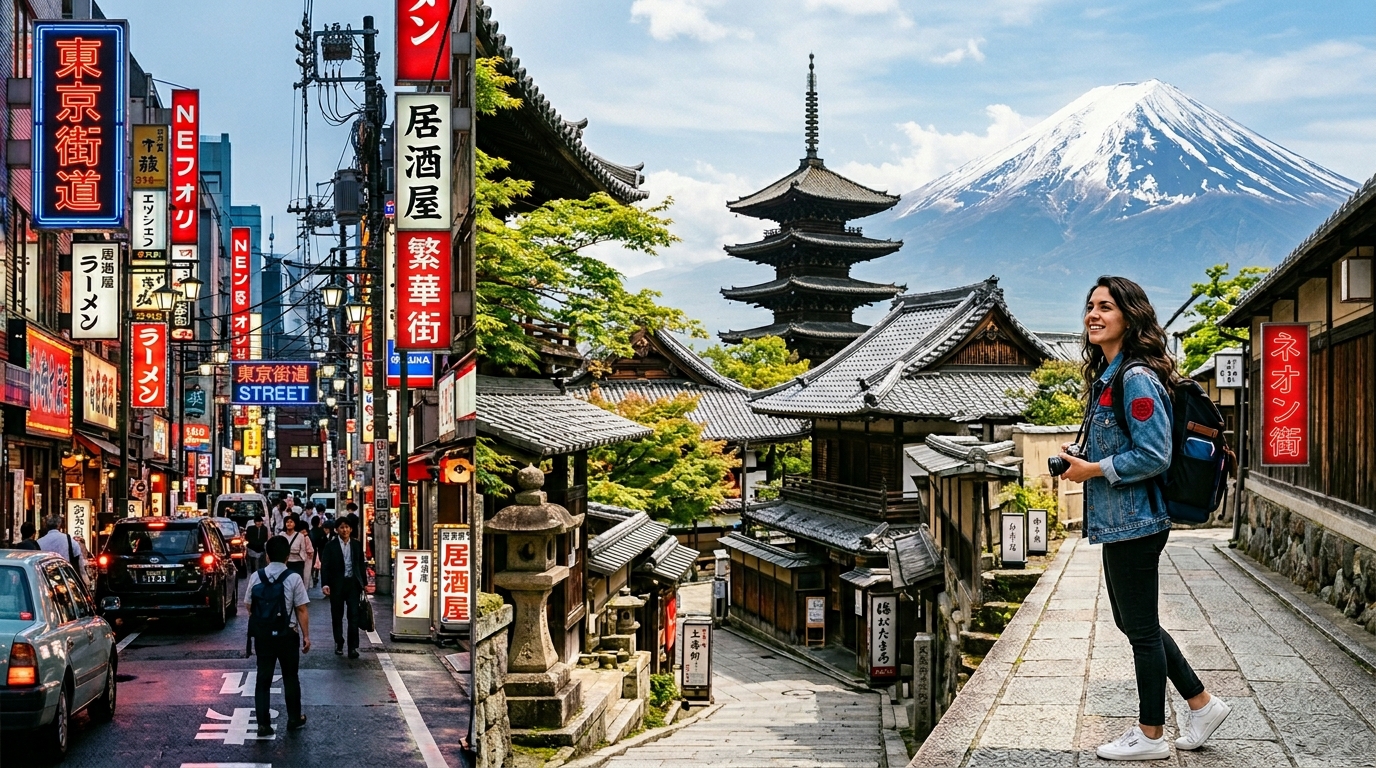
Japan is one of those destinations where the best experiences are often the first to disappear. Popular attractions, limited-capacity tours, and seasonal activities can book out weeks or even months ahead, especially during cherry blossom season, Golden Week, summer, and autumn travel peaks. That is why planning ahead matters so much if you want to enjoy a true Japan bucket list trip without missing the experiences you were most excited about.
Contents
- 1 50 Incredible Things to Do in Japan: The Ultimate Bucket List
- 1.1 Food & Drink Experiences
- 1.1.1 1. Eat Fresh Sushi the Right Way
- 1.1.2 2. Slurp an Authentic Bowl of Ramen
- 1.1.3 3. Taste Genuine Wagyu Beef
- 1.1.4 4. Sip Nihonshu (Sake) at a Brewery
- 1.1.5 5. Discover Shochu and Chu-Hai
- 1.1.6 6. Have a Multi-Course Kaiseki Dinner
- 1.1.7 7. Explore Food Stalls in Osaka’s Dotonbori
- 1.1.8 8. Go Underground at a Depachika
- 1.1.9 9. Raid a Japanese Convenience Store
- 1.2 Culture & Arts
- 1.2.1 10. Experience Cherry Blossom Season (Hanami)
- 1.2.2 11. Meet a Geisha in Kyoto
- 1.2.3 12. Watch a Kabuki Theater Performance
- 1.2.4 13. Take Part in a Traditional Tea Ceremony
- 1.2.5 14. Try on a Kimono
- 1.2.6 15. Attend a Kabuki or Sumo Match
- 1.2.7 16. Discover Otaku Culture in Akihabara
- 1.2.8 17. Attend the Gion Matsuri Festival in Kyoto
- 1.2.9 18. Sing Karaoke in a Private Booth
- 1.3 History & Architecture
- 1.3.1 19. Visit Meiji Shrine, Harajuku, and Shibuya
- 1.3.2 20. Explore Ninja History in Iga and Koka
- 1.3.3 21. Learn Samurai History
- 1.3.4 22. See Himeji Castle
- 1.3.5 23. Walk Through Asakusa’s Old Tokyo Atmosphere
- 1.3.6 24. Explore Fushimi Inari Shrine
- 1.3.7 25. Visit Kiyomizudera Temple and the Higashiyama District
- 1.3.8 26. Ferry Out to Itsukushima Shrine on Miyajima Island
- 1.4 Nature & Seasonal Events
- 1.4.1 27. Walk Through the Arashiyama Bamboo Grove
- 1.4.2 28. Marvel at the Baby Blue Eyes at Hitachi Seaside Park
- 1.4.3 29. Soak in an Onsen (Natural Hot Spring)
- 1.4.4 30. Spot the Snow Monkeys at Jigokudani
- 1.4.5 31. See the Wisteria at Ashikaga Flower Park
- 1.4.6 32. Walk Through the Wisteria Tunnels at Kawachi Fuji Garden
- 1.4.7 33. Witness the Ice Sculptures at the Sapporo Snow Festival
- 1.4.8 34. See the Fuji Shibazakura Festival
- 1.4.9 35. Visit the Lavender Fields of Hokkaido
- 1.5 Unique Experiences
- 1.5.1 36. Ride the Shinkansen Bullet Train
- 1.5.2 37. Spend a Night at a Ryokan
- 1.5.3 38. Spend a Night in Asakusa or Golden Gai, Shinjuku
- 1.5.4 39. Walk the Snow Corridor at Tateyama Kurobe Alpine Route
- 1.5.5 40. Take a Sushi-Making Class
- 1.5.6 41. Attend the Kyoto Aoi Matsuri
- 1.5.7 42. Dance at the Awa Odori Festival in Tokushima
- 1.5.8 43. Attend the Tohoku Summer Festivals
- 1.5.9 44. Enjoy the Takayama Matsuri
- 1.5.10 45. Try Your Luck at Pachinko
- 1.5.11 46. Shop at a 100 Yen Store
- 1.5.12 47. Eat Your Way Around Shinjuku
- 1.5.13 48. Try Zen Meditation at a Temple
- 1.5.14 49. Spend a Day in Odaiba
- 1.5.15 50. Explore the Gion Corner and Hanamachi Districts in Kyoto
- 1.6 Tokyo Experiences Worth Reserving
- 1.7 Kyoto and Cultural Highlights
- 1.8 Day Trips and Scenic Adventures
- 1.9 How to Plan Your Bookings
- 1.10 Booking Tips for a Smooth Trip
- 1.1 Food & Drink Experiences
Why These Japan Activities Sell Out Fast
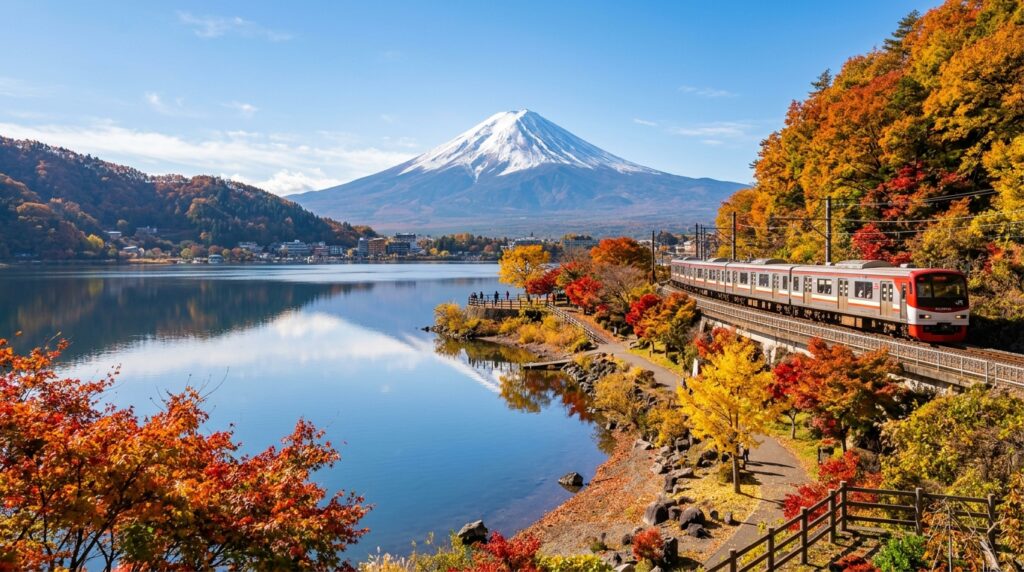
Some of the most memorable experiences in Japan are also the hardest to get last minute. High-demand attractions in Tokyo and Kyoto often have timed entry, limited daily slots, or small group sizes, which means availability can shrink quickly once travel dates get close. If your trip includes famous sights, cultural experiences, or scenic day tours, booking early gives you more choice, better timing, and far less stress.
Timing matters because Japan travel is highly seasonal. Cherry blossoms, autumn leaves, winter illuminations, and summer festivals all create spikes in demand, and that affects everything from train tickets to guided tours. The earlier you reserve, the easier it is to build a trip that feels smooth instead of rushed.
50 Incredible Things to Do in Japan: The Ultimate Bucket List
Japan is one of those rare destinations where ancient traditions and cutting-edge modernity exist side by side on the same city block. Whether you’re a first-time visitor or a seasoned traveler, this bucket list covers the very best experiences Japan has to offer.
Food & Drink Experiences
1. Eat Fresh Sushi the Right Way

Japan is the birthplace of sushi, and eating it here is a completely different experience from anything you’ll find abroad. Chefs focus on letting the natural flavor of each ingredient shine — no towering rolls, no gimmicks. For beginners, a kaiten (conveyor belt) restaurant is a low-pressure way to sample several pieces, while seasoned foodies can book a counter seat for an omakase experience with a personal chef.
2. Slurp an Authentic Bowl of Ramen

Instant noodles have nothing on the real thing. Japan’s ramen is deeply regional — miso-based in Hokkaido, rich tonkotsu pork broth in Kyushu, and soy sauce varieties in Yokohama. If you want to try as many styles as possible in one place, the Shin-Yokohama Ramen Museum lets you sample mini-portions from different regional restaurants.
3. Taste Genuine Wagyu Beef

What gets exported as wagyu rarely meets Japan’s strict quality standards for marbling and cattle pedigree. In Japan, you can try the real thing — including the legendary Kobe beef, easily accessible on a day trip from Kyoto or Osaka. Expect the melt-in-your-mouth texture to completely redefine your idea of a good steak.
4. Sip Nihonshu (Sake) at a Brewery

Forget asking for “sake” at a Japanese bar — the word means “alcohol” in general! Use nihonshu if you want the rice-based fermented drink. For a deep dive, visit the Fushimi Sake District in Kyoto, where around 40 different breweries sit within walking distance of each other, many offering tastings.
5. Discover Shochu and Chu-Hai

While nihonshu is famous abroad, younger Japanese drinkers are increasingly choosing shochu — a distilled spirit made from ingredients like sweet potato, barley, or buckwheat depending on the region. You can also grab a pre-mixed chu-hai (shochu with sparkling juice) from any convenience store — just don’t mistake it for a soda!
6. Have a Multi-Course Kaiseki Dinner

Kaiseki is Japan’s answer to haute cuisine, but it’s rooted in nature and seasonality rather than showmanship. Chefs source fresh, local ingredients daily, meaning no two meals are ever the same. Expect a carefully ordered sequence of up to eleven courses — from delicate sashimi and seasonal vegetables to grilled dishes and a final rice course — all served in handcrafted tableware that reflects the current season.
7. Explore Food Stalls in Osaka’s Dotonbori

Osaka is Japan’s unofficial food capital, and Dotonbori is its beating heart. The streets alongside the canal are lined with everything from local favorites like okonomiyaki (savory pancakes) and takoyaki (octopus-filled dough balls) to premium Kobe beef restaurants.
8. Go Underground at a Depachika

The basement floors of Japanese department stores — known as depachika — are gourmet food halls unlike anything in a typical shopping mall. You’ll find packed lunches, artisan sweets, regional snacks, and quality souvenirs, often with free samples on offer.
9. Raid a Japanese Convenience Store

Convenience stores in Japan are genuinely in a class of their own. Fresh-brewed coffee, nutritious bento boxes, whole fruit, and a surprising range of daily essentials are all available at any of the thousands of konbini dotted across every city. It’s one of those only-in-Japan experiences that visitors consistently rave about.
Culture & Arts
10. Experience Cherry Blossom Season (Hanami)

Every spring, Japan’s cherry blossoms draw visitors from around the world. But the real tradition is hanami — spreading out a picnic blanket under the trees with friends and family, letting the afternoon drift by in pink-petaled serenity. It’s less about getting the perfect photo and more about slowing down and soaking it in.
11. Meet a Geisha in Kyoto

Real geisha are highly trained artists who study traditional dance, music, and the tea ceremony from a young age — their role is hosting and entertaining guests, not what Western films suggest. You can watch public performances during the Miyako Odori in April or the Gion Odori in November, or book a private dinner with geisha entertainment through a reputable third party. Note that photography has been banned in Kyoto’s hanamachi (geisha districts) due to invasive tourist behavior, so be respectful.
12. Watch a Kabuki Theater Performance

Kabuki is one of Japan’s most visually spectacular performing arts — think elaborate makeup, dramatic costumes, and stories drawn from samurai history and folklore. All actors are men, including those playing female roles (onnagata), a tradition rooted in a 17th-century ban on women performing. Many theaters offer translation devices and sell single-act tickets for those short on time.
13. Take Part in a Traditional Tea Ceremony

The Japanese tea ceremony (chado) dates back to the Muromachi Period and is a ritualized practice of preparing and sharing matcha. Every movement your host makes is deliberate and studied over years of practice. You’ll receive a small sweet to eat before sipping the tea, which balances the matcha’s natural bitterness. Some bookings combine the ceremony with a maiko (apprentice geisha) experience.[
14. Try on a Kimono

Most Japanese people reserve kimonos for weddings, graduations, and formal occasions, but visitors can rent one for a day of exploring. Head to the Nishijin Textile Center in Kyoto to see the latest weaving designs or to order a custom kimono, and keep an eye out for maikos wearing the most luxurious versions of all.
15. Attend a Kabuki or Sumo Match

Sumo is believed to be over 2,000 years old, and professional tournaments are held six times a year in rotating cities: Tokyo (January, May, September), Osaka (March), Nagoya (July), and Fukuoka (November). Tournament tickets cover an entire day of bouts — the higher-ranked wrestlers compete later in the afternoon, and the crowd energy (including spectators throwing seat cushions!) is unforgettable.
16. Discover Otaku Culture in Akihabara

Akihabara in Tokyo is the global epicenter of anime, manga, and gaming culture. Multi-story arcades, figurine shops, maid cafes, and electronics stores (like the famous Yodabashi Camera, complete with batting cages on the top floors) pack every block. Visit on a Sunday for the full local experience.
17. Attend the Gion Matsuri Festival in Kyoto

The Gion Matsuri is considered Japan’s most beloved festival, running throughout the entire month of July. The main event on the 17th features the Yamaboko Junko — a procession of hand-pulled wooden floats that can stand up to 25 meters tall and weigh 12 tons. In the days leading up to it, you can watch craftspeople build the floats entirely without nails.
18. Sing Karaoke in a Private Booth

Japanese karaoke is nothing like the bar variety abroad. You rent a private room for your group, pick from thousands of songs in multiple languages, and some rooms even come with free costumes. It’s lively, silly, and completely free of judgment
History & Architecture
19. Visit Meiji Shrine, Harajuku, and Shibuya

Three of Tokyo’s most iconic experiences are conveniently close together. Start at Meiji Shrine (Meiji Jingu) for a serene forest walk to the resting place of Emperor Meiji, then stroll down Takeshita Street in Harajuku for kawaii fashion and crepes, and finish at Shibuya Crossing — one of the busiest pedestrian intersections on Earth.
20. Explore Ninja History in Iga and Koka

Ninjas were real historical figures — skilled covert agents whose legends have been exaggerated by pop culture, including by many Japanese people themselves. The Iga Ninja Museum holds over 400 artifacts and features live martial arts performances, while a 300-year-old ninja mansion in Koka reveals hidden trap doors, alarms, and secret escape routes.
21. Learn Samurai History

From the 9th to the 17th century, samurai were Japan’s dominant warriors and political class. Today, well-preserved samurai districts survive in cities like Kakunodate, Hagi, and Matsue, where some descendants still live and open their ancestral homes to visitors as museums.
22. See Himeji Castle

Known as the “White Heron” for its gleaming plaster walls, Himeji Castle is one of only twelve original castles remaining in Japan and has stood largely intact since the 17th century. The adjacent Kokoen Garden, while only opened in 1992, recreates the atmosphere of the Edo Period across nine distinct Japanese-style garden areas.
23. Walk Through Asakusa’s Old Tokyo Atmosphere

Asakusa is Tokyo’s most evocative glimpse into the Edo Period. Enter through the famous Thunder Gate to walk the shopping arcade leading to Sensoji Temple, browse traditional crafts and street snacks, or hop into a rickshaw for a guided tour.
24. Explore Fushimi Inari Shrine

No trip to Kyoto — or Japan — is complete without walking through the thousands of vermilion torii gates at Fushimi Inari. You can walk a short path through the lower gate tunnels in minutes, or follow the full trail all the way to the mountain summit for a more immersive experience.
25. Visit Kiyomizudera Temple and the Higashiyama District

Kiyomizudera’s famous wooden stage juts out over a forested hillside, and a sacred spring inside the temple grounds is said to grant longevity, luck in love, or wealth — depending on which stream you drink from. The surrounding Higashiyama district is filled with UNESCO World Heritage sites and stone-paved lanes that are especially beautiful in cherry blossom season.
26. Ferry Out to Itsukushima Shrine on Miyajima Island

The torii gate at Itsukushima appears to float on the water at high tide, making it one of the most photographed structures in Japan. At low tide you can walk right up to its base. This 12th-century shrine is consistently ranked among Japan’s three most beautiful scenic spots.
Nature & Seasonal Events
27. Walk Through the Arashiyama Bamboo Grove

Kyoto’s Arashiyama district packs a full day of highlights: the Snow Monkey Park on Iwatayama Mountain, the ancient Togetsukyo Bridge, Tenryuji Temple, and the iconic bamboo grove where towering stalks create an otherworldly green tunnel.
28. Marvel at the Baby Blue Eyes at Hitachi Seaside Park

Every May, Hitachi Seaside Park in Ibaraki Prefecture (just outside Tokyo) transforms into a sea of vivid periwinkle blue as millions of nemophila (baby blue eyes) flowers bloom across an entire hillside. The color is so intense it becomes difficult to distinguish the flowers from the sky.
29. Soak in an Onsen (Natural Hot Spring)

Bathing in Japan’s natural hot springs is one of the most deeply relaxing things you can do after a long day of sightseeing. Public bathing is communal and clothing-free, but if that’s not for you, many ryokan hotels offer private baths or in-room open-air soaking tubs.
30. Spot the Snow Monkeys at Jigokudani

In Nagano Prefecture’s Jigokudani Valley, wild Japanese macaques have been observed bathing in natural hot springs for decades — particularly in winter when the landscape is blanketed in snow. The park built dedicated baths for the monkeys, but they’ve also been known to wander into the human ones.
31. See the Wisteria at Ashikaga Flower Park

From mid-April to mid-May, Ashikaga Flower Park in Tochigi Prefecture draws visitors for its spectacular wisteria displays, including an 80-meter tunnel of cascading purple blooms and a 100-year-old wisteria tree so large it requires supporting beams to hold up its branches. The park also hosts a winter LED light festival for year-round appeal.
32. Walk Through the Wisteria Tunnels at Kawachi Fuji Garden

Open only for a few weeks in spring, the Kawachi Fuji Garden in Kitakyushu features over 20 varieties of wisteria across two tunnels — one 80 meters and one 110 meters long. The blooms range from deep royal purple to snow white, and the vines hang low enough to gently brush your head as you walk through.
33. Witness the Ice Sculptures at the Sapporo Snow Festival

Held in late January and early February in Odori Park, the Sapporo Snow Festival is Hokkaido’s signature winter event. Local and international artists construct snow and ice sculptures the size of buildings, and the festival grounds include ski jump competitions, food stalls, and a family-friendly site with ice slides and snowball fights.
34. See the Fuji Shibazakura Festival

From mid-April to May, the fields near Mount Fuji’s Five Lakes burst with 800,000 moss phlox (shibazakura) flowers in vivid pink, with the iconic mountain as a backdrop. You can soak your feet in the Panorama Footbath while taking in the view or explore food stalls offering cherry blossom-flavored treats.
35. Visit the Lavender Fields of Hokkaido

In July, Hokkaido’s Furano and Biei regions bloom into a patchwork of lavender that looks lifted from an impressionist painting. Popular spots include Farm Tomita and Shikisai Hill, and regional treats like lavender ice cream and fresh cantaloupe are seasonal highlights.
Unique Experiences
36. Ride the Shinkansen Bullet Train

Japan’s bullet trains travel at up to 300 km/h (186 mph), yet the ride is famously smooth and quiet. Use a Japan Railways Pass to board most Shinkansen lines and watch the countryside blur past — the Tokyo to Kyoto route is particularly scenic.
37. Spend a Night at a Ryokan

A traditional Japanese inn (ryokan) isn’t just accommodation — it’s an immersive experience in hospitality and slowness. Expect tatami-floored rooms, yukata robes, multi-course kaiseki dinners made from local seasonal ingredients, and access to natural hot spring baths. Many ryokans are set deep in the countryside with views of mountains, forests, or rivers.
38. Spend a Night in Asakusa or Golden Gai, Shinjuku

Tokyo’s Golden Gai area in Shinjuku is a dense cluster of tiny bars from the mid-20th century — each one barely fits six people — tucked into narrow alleyways that look like a film set. Nearby Roppongi, Ginza, and Shibuya offer a full spectrum of nightlife, though be warned that trains stop running around midnight.
39. Walk the Snow Corridor at Tateyama Kurobe Alpine Route

Open from April to November, the Tateyama Kurobe Alpine Route is one of Japan’s most dramatic natural spectacles. In spring and early summer, snow drifts along the mountain road can reach 20 meters (nearly 100 feet) high — you literally walk through a towering corridor of white.
40. Take a Sushi-Making Class

Rather than just eating sushi, take a hands-on cooking class and learn to prepare it yourself. A professional chef guides you through cutting fish, forming nigiri, and applying wasabi — and you eat everything you make by the end. It’s a skill you’ll actually use once you get home.
41. Attend the Kyoto Aoi Matsuri

Every May 15th, around 500 participants dressed in an authentic Heian Period (794–1185) clothing walk in procession from the Imperial Palace to the two Kamo Shrines in Kyoto. The parade recreates an ancient imperial pilgrimage made to pray for protection from natural disasters, and the ceremony closes with a traditional horseback archery tournament.
42. Dance at the Awa Odori Festival in Tokushima

Held August 12th–15th, the Awa Odori is one of Japan’s largest dance festivals, with teams of dancers (ren) taking over the streets to live music accompaniment each evening from 6 to 11:30 pm. The best part? Anyone can join in — from seasoned professional teams to visitors who signed up the day before.
43. Attend the Tohoku Summer Festivals

In early August, northeastern Japan’s Tohoku region hosts three of the country’s most spectacular festivals in quick succession: the Akita Kanto Festival (balancing acts with poles holding 46 lanterns), the Aomori Nebuta Festival (glowing illuminated floats that attract millions), and the Sendai Tanabata Festival (an explosion of colorful paper streamers).
44. Enjoy the Takayama Matsuri

The mountain town of Takayama hosts two of Japan’s most beautifully preserved festivals — the Sanno Spring Matsuri (April 14–15) and the Hachiman Autumn Matsuri (October 9–10). Centuries-old lacquered wooden floats (yatai) are pulled through the streets in the morning and displayed again at night by the glow of paper lanterns.
45. Try Your Luck at Pachinko

Pachinko is Japan’s beloved hybrid of pinball and slot machines, and the halls are impossible to miss — all flashing lights and cascading sounds. You control the speed of silver balls through a vertical maze, and winnings can be exchanged for prizes. It’s more of a cultural experience than a serious gambling pursuit.
46. Shop at a 100 Yen Store

Japan’s 100 yen shops (like Daiso) are a revelation for budget-conscious travelers. Despite the roughly $1 USD price tag, you’ll find genuinely quality items: lacquered chopsticks, ceramic teacups, calligraphy supplies, and travel accessories. They’re also one of the best spots to pick up affordable souvenirs.
47. Eat Your Way Around Shinjuku

Shinjuku is arguably Tokyo’s most diverse dining destination, offering everything from jiggly Japanese cheesecake and character-shaped sweets to standing ramen counters and Michelin-starred restaurants — all within a few blocks.
48. Try Zen Meditation at a Temple

Some Buddhist temples offer guided Zen meditation sessions led by resident priests, particularly in spiritual mountain destinations like Mount Koya. It’s a genuine opportunity to slow down, tune out travel noise, and experience a practice that has been central to Japanese culture for centuries.
49. Spend a Day in Odaiba

Odaiba is Tokyo’s artificial island district and the backdrop for countless anime series and J-dramas. Highlights include the iconic Gundam statue outside DiverCity, a replica Statue of Liberty, the Fuji TV headquarters building, and the neon-lit Rainbow Bridge glowing over Tokyo Bay at night.
50. Explore the Gion Corner and Hanamachi Districts in Kyoto

The Gion Corner Theatre offers a curated showcase of traditional Japanese arts — including maiko performances, ikebana, and court music — all in one sitting. The surrounding hanamachi (geisha districts) are some of the most atmospheric streets in all of Japan, best explored on foot in the early evening when lanterns flicker to life.
Tokyo Experiences Worth Reserving
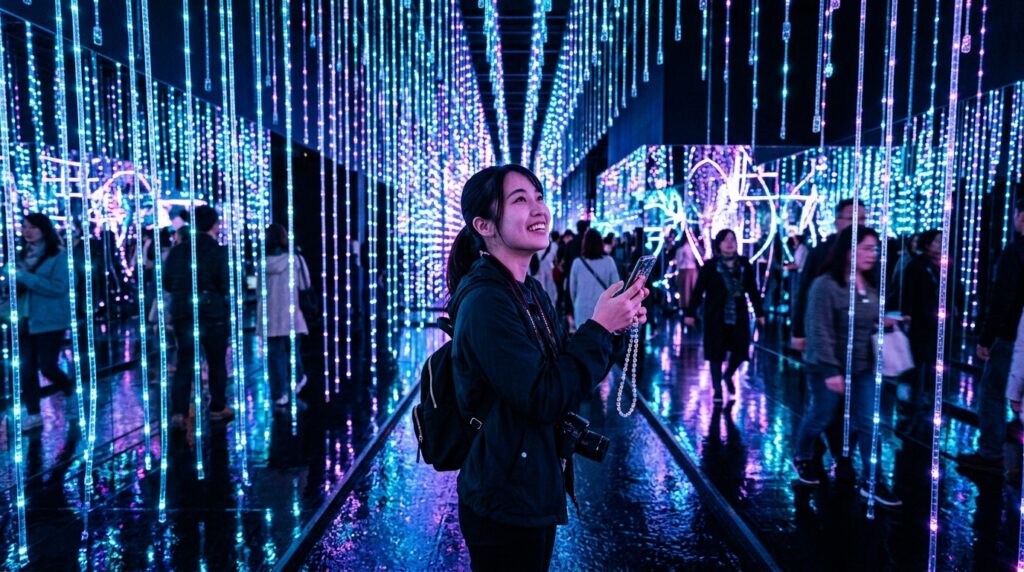
Tokyo is packed with experiences that feel exciting, unusual, and worth planning ahead for. Places like teamLab-style digital art spaces, popular observation decks, themed attractions, and special food experiences often require advance tickets or timed reservations. If Tokyo is your first stop, these are usually the bookings that disappear fastest.

The city also offers unique experiences that make a trip feel more personal, such as guided neighborhood walks, sushi-making classes, and evening cruises. These activities are popular because they blend convenience with something memorable, which is exactly why early booking helps. If you want the best time slots, it is smart to secure them before your flights are even finalized.
Kyoto and Cultural Highlights
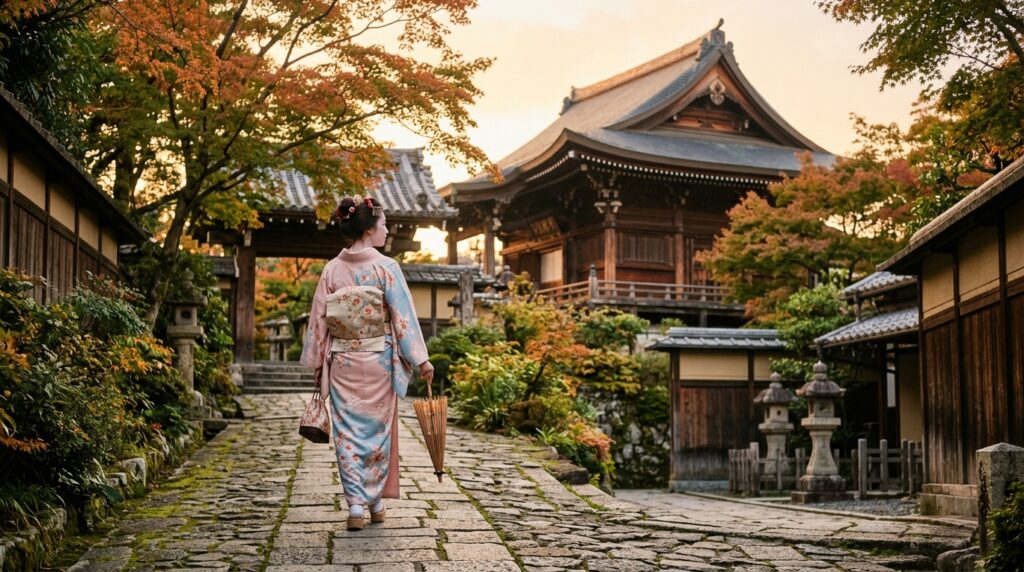
Kyoto is where many travelers go for the classic Japan experience, and that means certain activities are always in demand. Tea ceremonies, kimono rentals, private cultural tours, and guided temple visits are especially popular because they help visitors experience the city in a more meaningful way. These are often small-scale experiences, so availability can be limited.
The charm of Kyoto is in the details, but those details are easier to enjoy when they are planned. Booking a cultural experience in advance lets you choose a better time of day, avoid crowds, and move through the city with less pressure. That is especially helpful if you want your trip to feel calm, beautiful, and well-paced.
Day Trips and Scenic Adventures
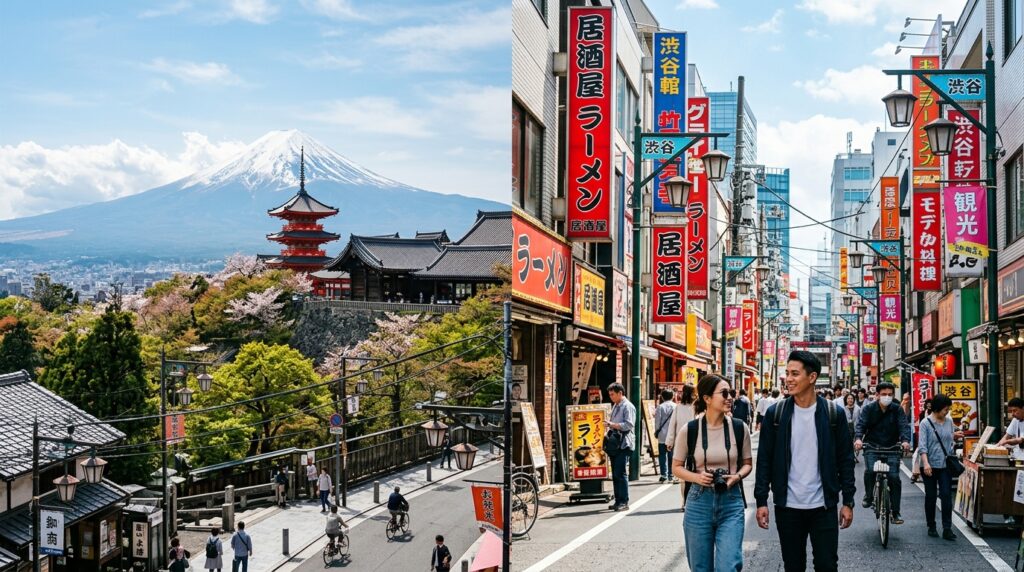
Beyond the big cities, Japan offers day trips and scenic adventures that can become the highlight of the entire journey. Mt. Fuji viewing tours, hot spring stays, lake cruises, and seasonal outdoor experiences are often among the first things to sell out. These trips are especially popular because they combine transport, views, and convenience in one package.
Ryokan stays also deserve early planning because the best ones are limited and often booked far ahead by both local and international travelers. The same is true for seasonal experiences tied to cherry blossoms, snow scenery, or autumn foliage. If your Japan bucket list includes nature and relaxation, reserving these early gives you the best chance of getting the exact experience you want.
How to Plan Your Bookings
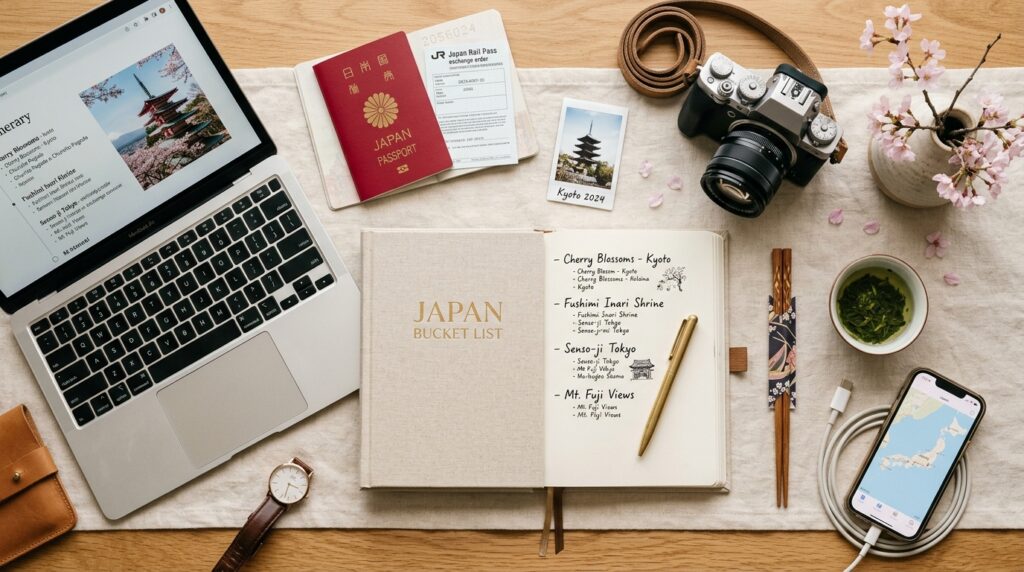
A simple booking strategy makes a huge difference. Start with the experiences that have limited availability, fixed times, or high demand, then move to the activities that are more flexible. If something is the main reason for your trip, it should be one of the first things you book.
As a rule, popular attractions and tours are best reserved as early as possible, while flexible sightseeing can wait until closer to departure. This approach keeps your itinerary organized without locking you in too quickly. It also helps you avoid the frustration of building a dream trip around things that are already sold out.
Booking Tips for a Smooth Trip
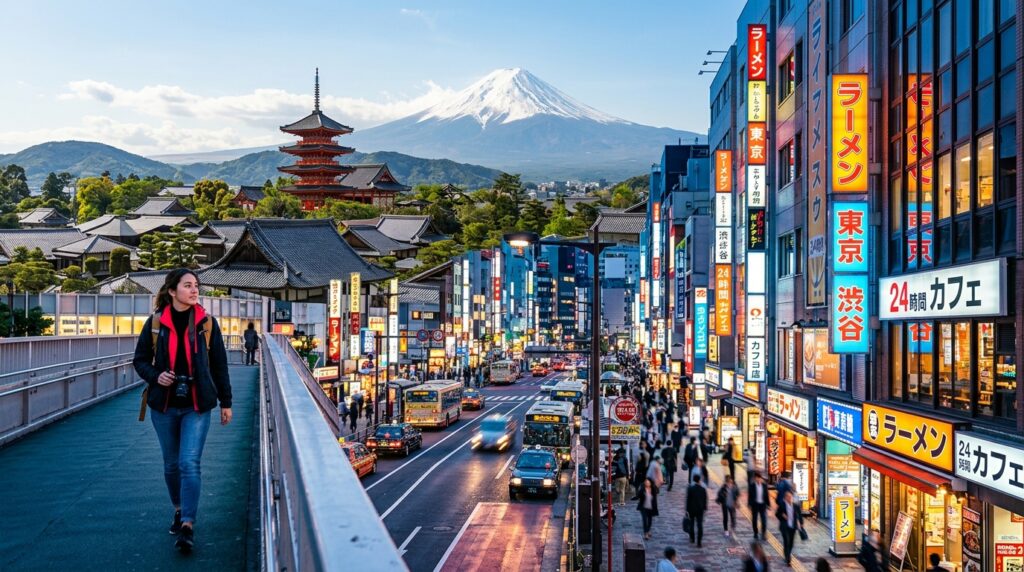
The easiest way to avoid travel stress in Japan is to keep your booking process simple and organized. Check cancellation rules before you reserve, especially if your dates might change, and keep your confirmations in one place so nothing gets lost. It also helps to group nearby activities together so your days feel efficient instead of overpacked.
Transportation can affect your plans more than you expect, so leave enough time between reservations. Some experiences start exactly on time and may not allow late entry, which makes careful scheduling important. If you plan early and book smart, your trip will feel more relaxed and much easier to enjoy.