Skip to content

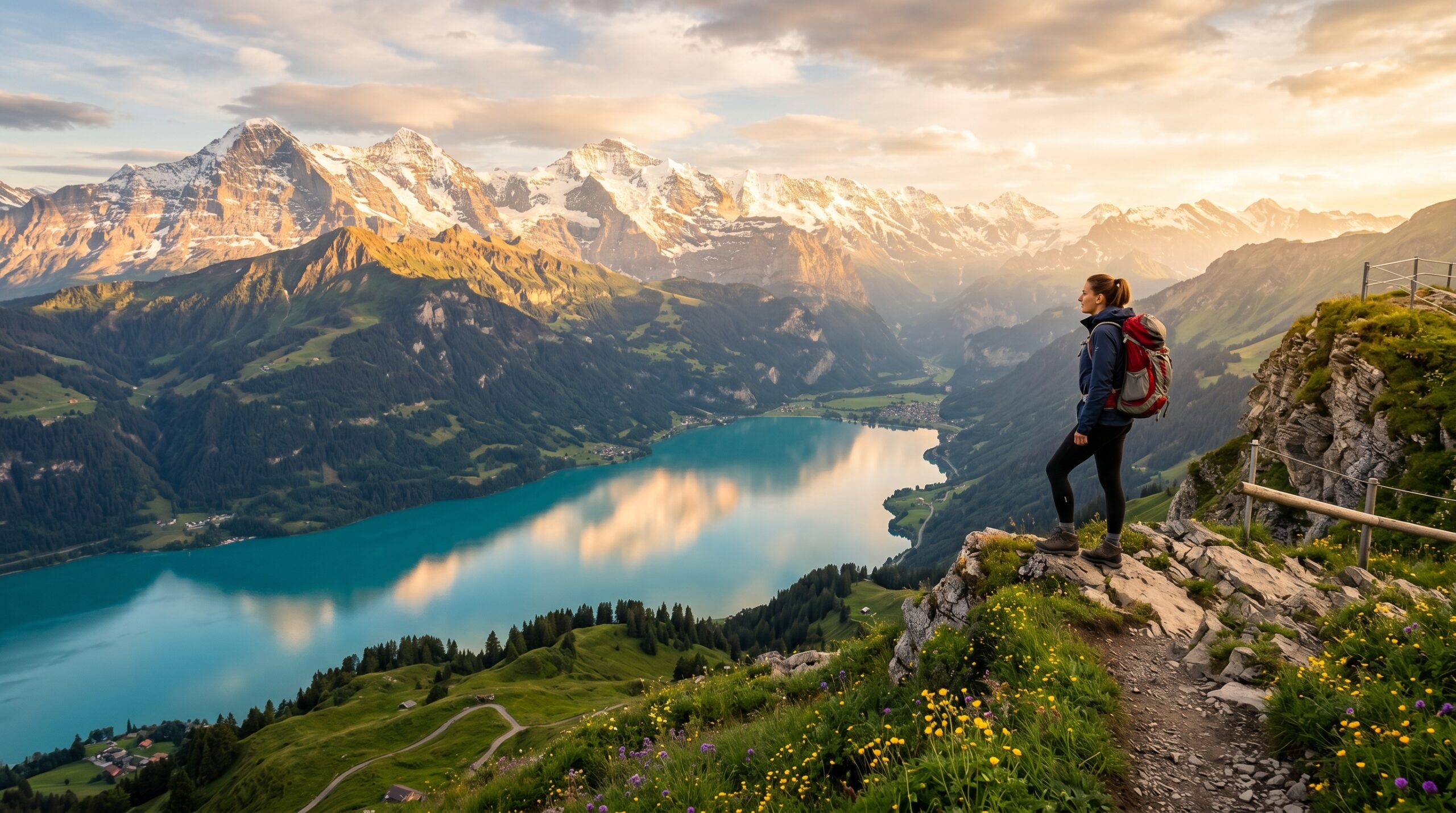
Dreaming of snow-capped mountains, crystal-clear lakes, and postcard-perfect villages? Switzerland is a destination that feels straight out of a fairytale. Whether you’re an adventure seeker, nature lover, or culture enthusiast, this breathtaking country offers unforgettable experiences at every turn. In this guide, we’ll explore the 10 Best Things to Do in Switzerland, from scenic train journeys through the Alps to charming cities, iconic landmarks, and hidden gems that deserve a spot on your travel bucket list.
Contents
- 1 What Does Switzerland Actually Cost Per Day?
- 2 Free & Affordable Things to Do in Switzerland
- 2.1 1. Wander the Lavaux Vineyards
- 2.2 2. Step Back in Time in Bern’s Old City
- 2.3 3. Chase Waterfalls in Lauterbrunnen Valley
- 2.4 4. Ride the World’s Steepest Funicular
- 2.5 5. Cycle Zurich for Free
- 2.6 6. Explore a 1,200-Year-Old Library
- 2.7 7. Stroll the Neuchâtel Lakefront
- 2.8 8. Visit Museums for Free (or Nearly Free)
- 2.9 9. Hike the Swiss Alps
- 2.10 10. Discover Lucerne’s Free Landmarks
- 3 Pro Tips for Saving Even More in Switzerland
- 4 FAQs: 10 Best Things to Do in Switzerland on a Budget
- 4.1 Is it really possible to do the best things to do in Switzerland on a budget?
- 4.2 What is the cheapest way to get around Switzerland?
- 4.3 What are the best free outdoor activities in Switzerland?
- 4.4 How much does a budget day in Switzerland actually cost?
- 4.5 Which Swiss cities are most budget-friendly to visit?
- 4.6 When is the best time to visit Switzerland on a budget?
What Does Switzerland Actually Cost Per Day?
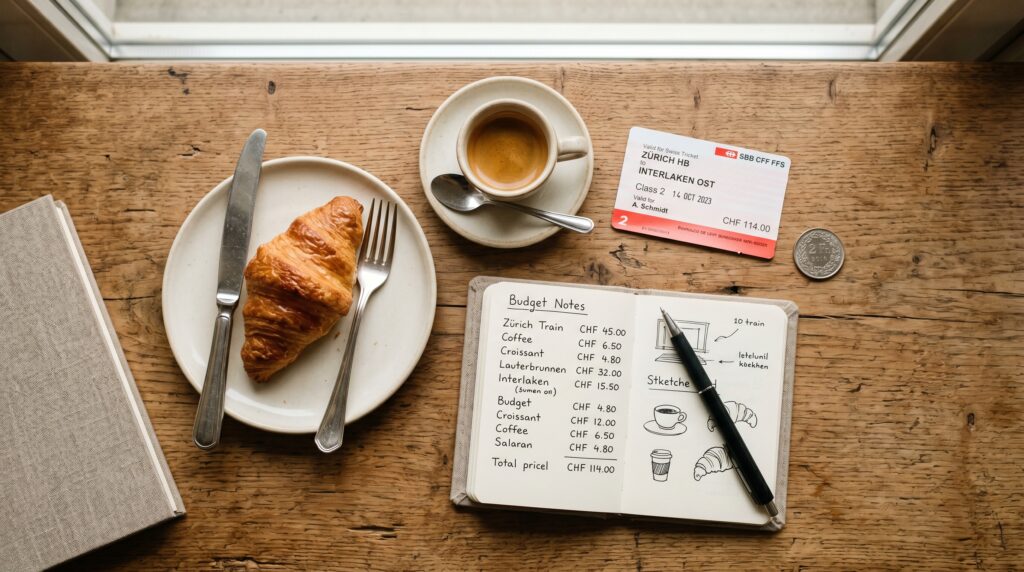
Before you pack your bags, it helps to know what you’re working with. Here’s a realistic look at daily expenses in Switzerland (prices in CHF and USD) :
| Expense | Estimated Cost |
|---|---|
| Hostel dorm bed | 45–57 CHF (~$54–68) |
| Budget hotel room (2 people) | 112–140 CHF (~$134–170) |
| Daily public transport card | 5.50 CHF (~$7) |
| Museum entry | 15–25 CHF (~$17–28) |
| Coffee | 5 CHF (~$6) |
| Café breakfast or lunch (per person) | 12–24 CHF (~$14–28) |
| Mid-range dinner (per person) | 20–32 CHF (~$24–39) |
| Glass of wine | 11 CHF (~$13.50) |
| Beer | 7 CHF (~$8) |
| Estimated daily total | 125–238 CHF (~$150–286) |
The good news? Many of Switzerland’s greatest experiences cost absolutely nothing.
Free & Affordable Things to Do in Switzerland
1. Wander the Lavaux Vineyards
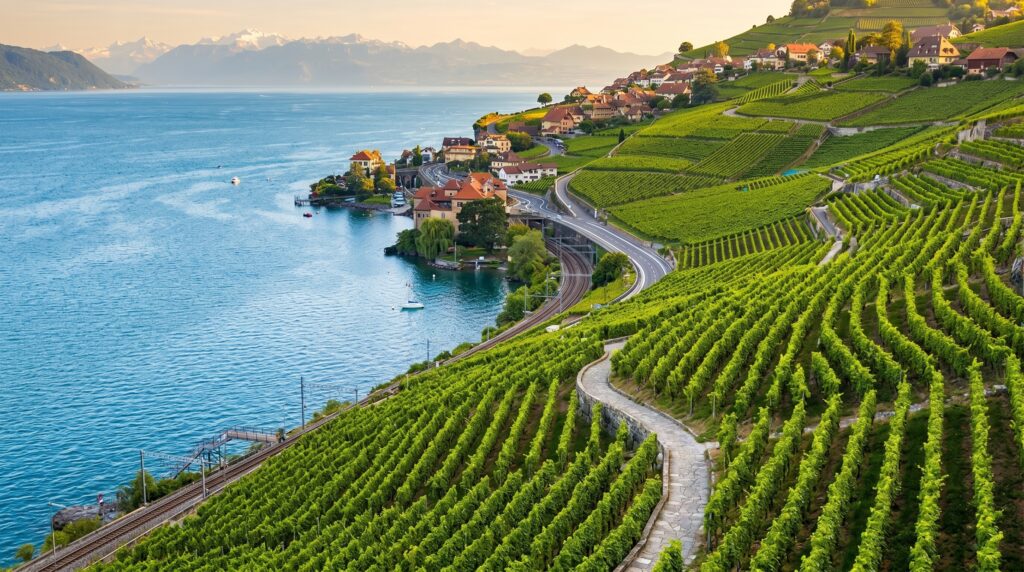
Stretching over 18 miles along the banks of Lake Geneva, the Lavaux vineyards are a UNESCO World Heritage Site with roots dating back to the 11th century . Walking the trails between vine-covered terraces is completely free, and the route passes through picturesque villages like Cully and Saint-Saphorin. Visit in September or October during harvest season for the most vibrant views — and stop at a cellar or two for a wine tasting.
2. Step Back in Time in Bern’s Old City
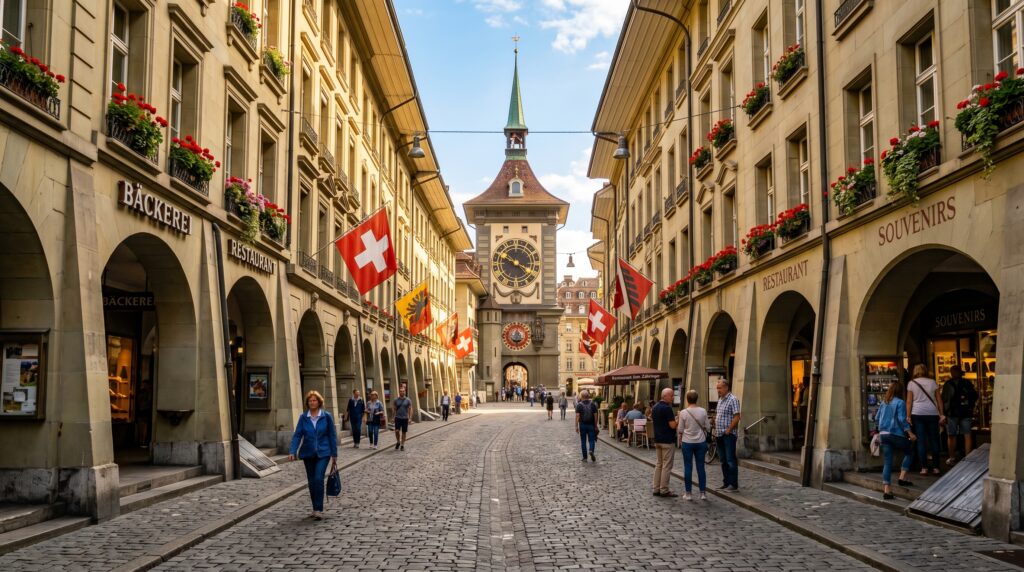
Bern’s medieval old town looks almost identical to how it did between the 12th and 15th centuries . Stroll the famous arcades, gaze up at the Zytglogge astronomical clock tower, and visit the late-Gothic Bern Minster cathedral — all for free. From the hilltop streets, you’ll also catch sweeping views over the winding Aare River below.
3. Chase Waterfalls in Lauterbrunnen Valley
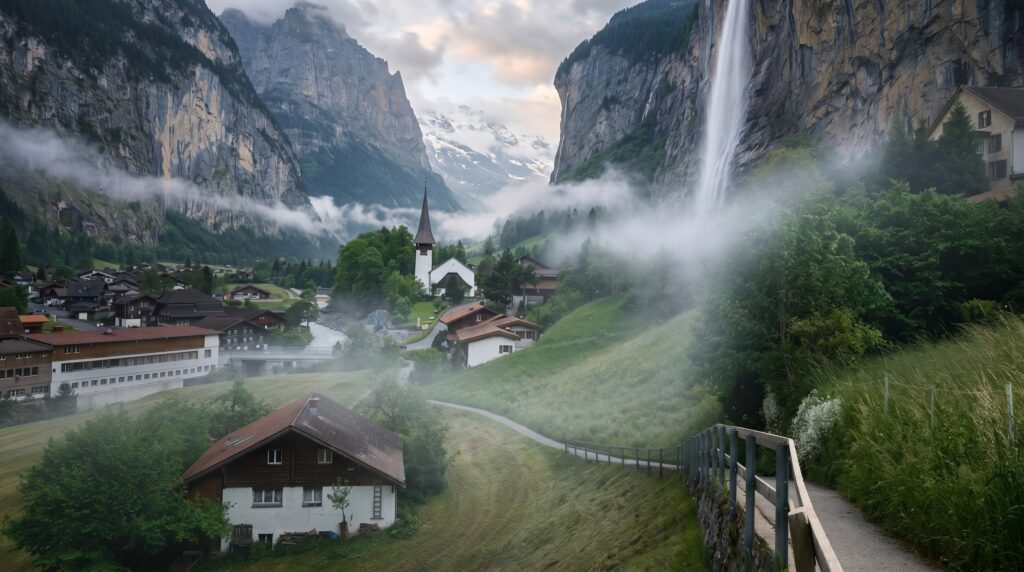
Legend has it that J.R.R. Tolkien drew inspiration for the elven city of Rivendell from Lauterbrunnen’s dramatic cliffs and cascading waterfalls . With 72 waterfalls tucked into the valley, there’s plenty to discover on foot at no cost. The iconic Staubbach Falls, plunging nearly 300 meters, is the perfect starting point for any first-time visitor.
4. Ride the World’s Steepest Funicular
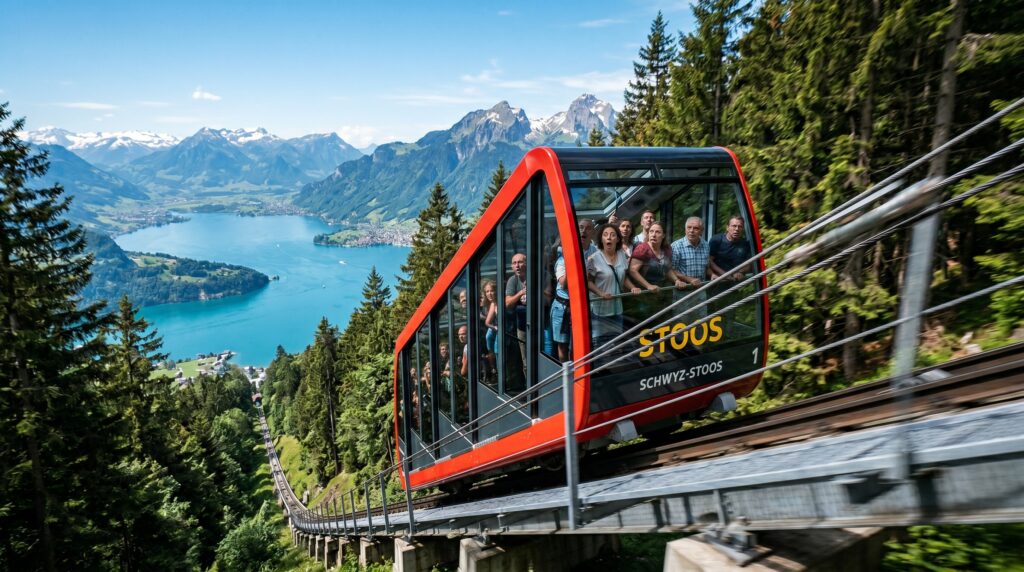
The Stoosbahn in central Switzerland holds the world record as the steepest funicular railway, reaching a gradient of 47.7 degrees . The ride is thrillingly steep, offering jaw-dropping mountain panoramas along the way. At the summit, the car-free village of Stoos opens up into hiking trails with sweeping views over Lake Lucerne — and those trails are completely free to explore.
5. Cycle Zurich for Free
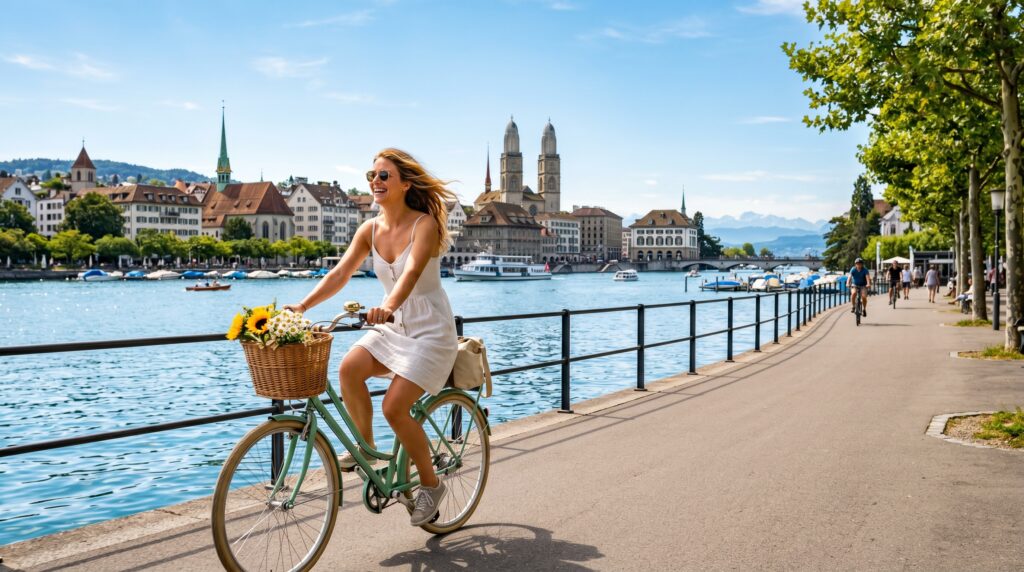
Zurich is one of Europe’s priciest cities, but it runs a surprisingly generous free bike rental scheme called Züri rollt . Pick up a bike at any rental station between 8:00 AM and 9:30 PM with a valid ID and a refundable 20 CHF deposit. Use the wheels to explore the Old Town, ride along the shores of Lake Zurich, and visit the twin-towered Grossmünster church without spending a cent on transport.
6. Explore a 1,200-Year-Old Library
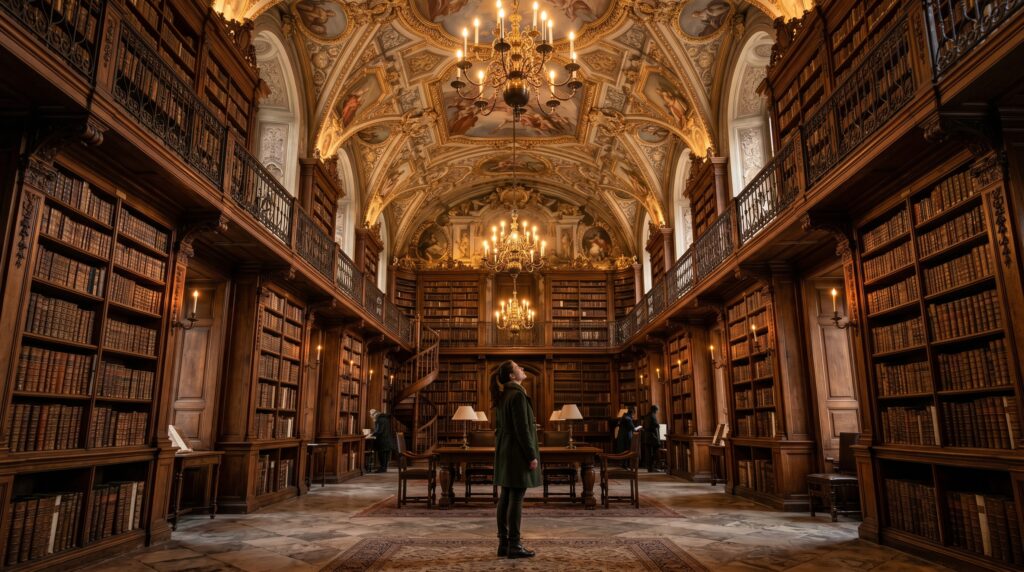
The Abbey Library of Saint Gall in St. Gallen is one of the oldest surviving monastic libraries in the world, dating back to the 8th century . Its ornate baroque interior houses over 160,000 volumes, including rare handwritten manuscripts. Entry is just 18 CHF — a steal by Swiss standards — though the stunning exterior and courtyard can be admired for free.
7. Stroll the Neuchâtel Lakefront
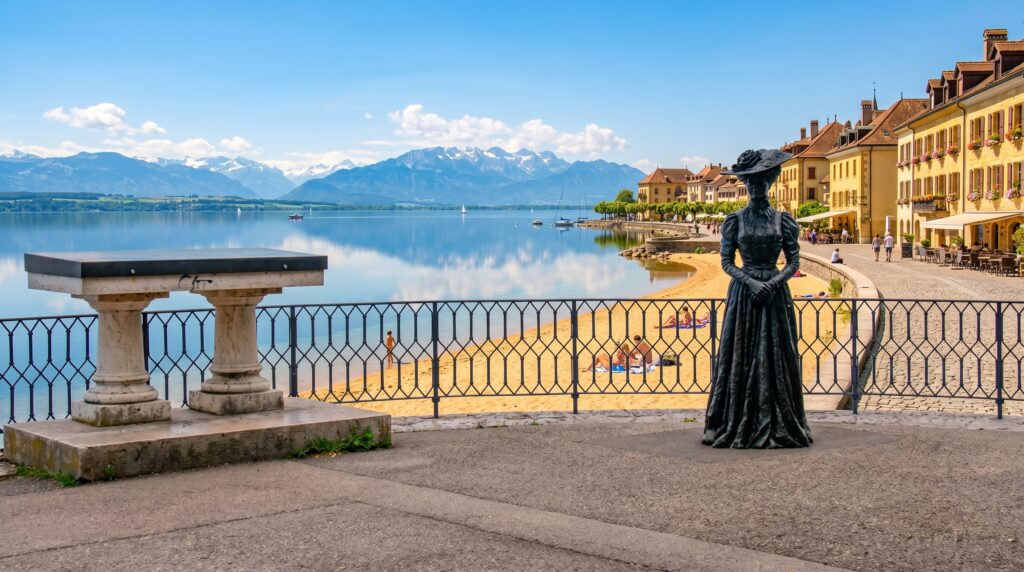
Neuchâtel’s lakefront promenade is one of Switzerland’s most cinematic free experiences, offering mountain views, free swimming at Jeunes-Rives beach, and peaceful picnic spots . The historic watchmaking town’s medieval old town is equally charming and costs nothing to explore on foot. In summer, this is one of the best budget-friendly spots in the entire country.
8. Visit Museums for Free (or Nearly Free)
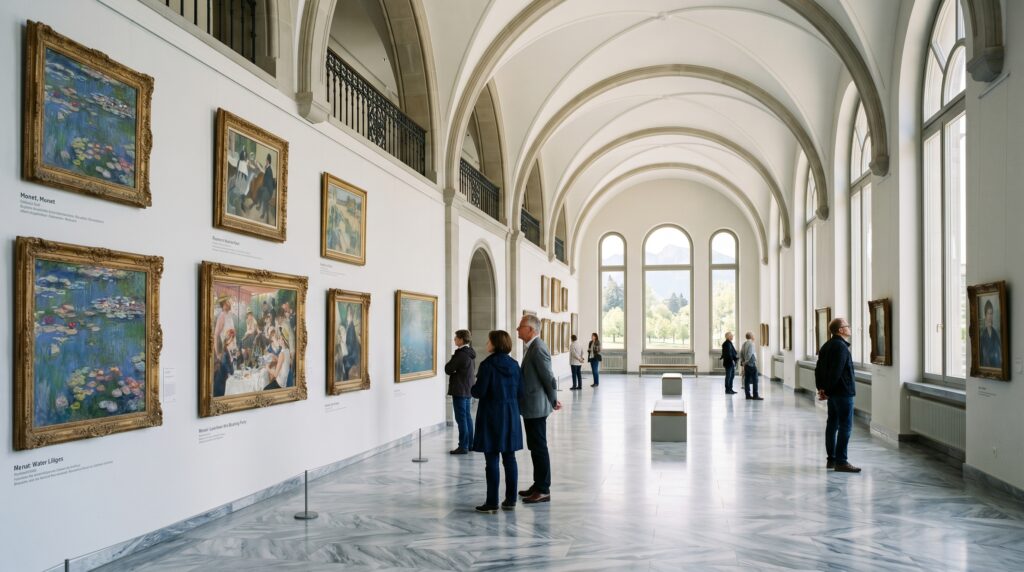
Switzerland’s museums are more accessible than most people realize. The Kunsthaus Zurich opens its permanent collection for free every Wednesday, giving you access to works by Picasso, Van Gogh, and Monet . The Geneva Museum of Art and History and the Natural History Museum of Zurich are free year-round, while several Lausanne museums offer free entry to anyone under 26.
9. Hike the Swiss Alps
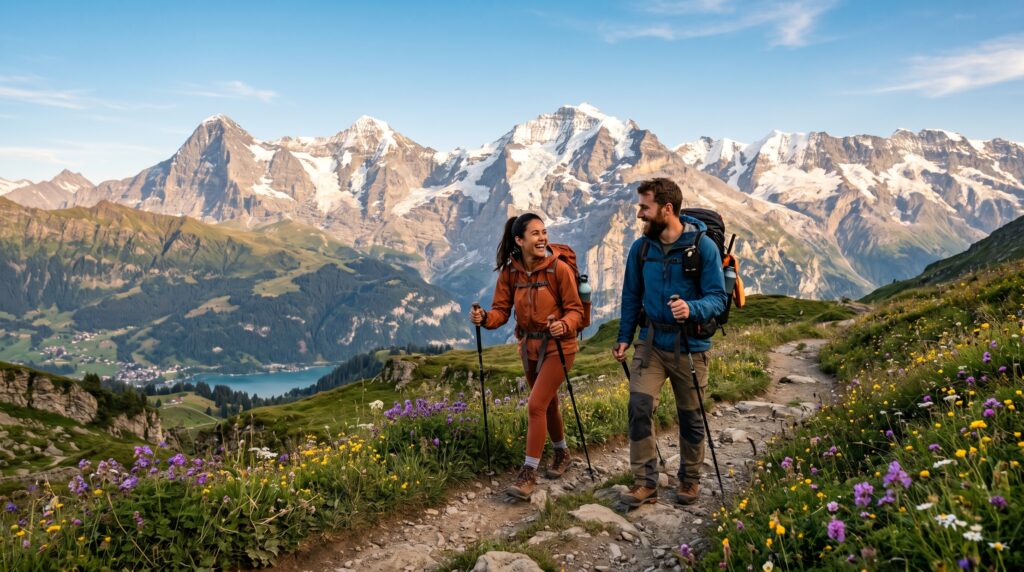
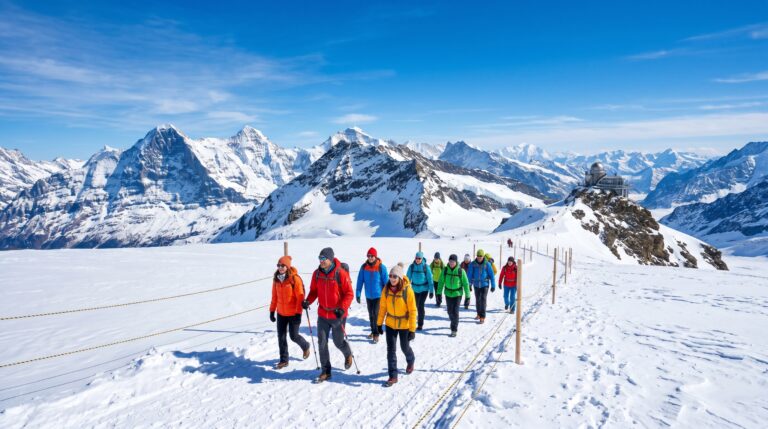
With mountains covering 60% of the country, the Swiss Alps are Switzerland’s most spectacular — and most accessible — attraction . Popular hiking areas like Interlaken, Gimmelwald, and the historic Gemmi Pass are free to explore on foot. Budget further by staying in mountain hostels or campsites, and note that wild camping is permitted in some higher alpine zones above the tree line (always check local regulations first).
10. Discover Lucerne’s Free Landmarks
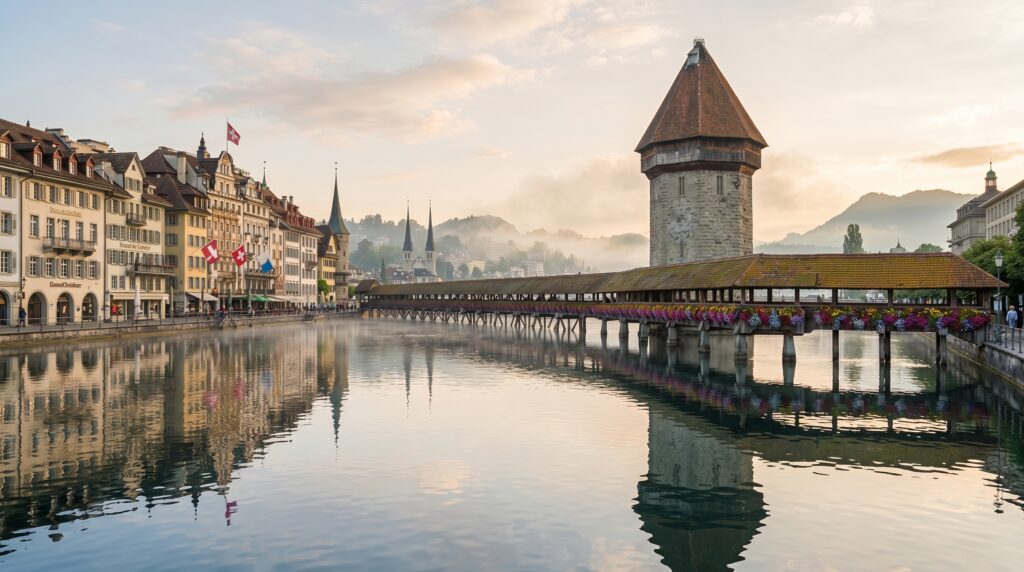
Lucerne punches well above its weight when it comes to free sights. The Chapel Bridge, Europe’s oldest wooden covered bridge, is free to cross and offers beautiful views over the Reuss River . Nearby, the Lion of Lucerne — a moving rock-carved sculpture of a dying lion — sits quietly in a small park and is completely free to visit, as is wandering the vibrant old town with its colorful medieval frescoes.
Pro Tips for Saving Even More in Switzerland
- Travel by rail pass: The Swiss Travel Pass offers unlimited travel on trains, buses, and boats and includes free museum entry — great value if you’re moving between cities.
- Eat like a local: Grab groceries from Migros or Coop supermarkets instead of eating every meal at a restaurant. Many have affordable hot food counters.
- Time your trip wisely: Shoulder seasons (May–June and September–October) offer better accommodation prices than peak summer months.
- Use regional day passes: Local transport day cards are significantly cheaper than buying individual tickets for each journey.
- Picnic in the parks: Switzerland’s public parks, lakefronts, and mountain meadows are made for picnicking — pack a lunch and soak in the views for free.
Switzerland will never be the cheapest destination in Europe, but it is one of the most rewarding. With a mix of free outdoor adventures, strategic transport choices, and a little local knowledge, you can experience the very best of what this extraordinary country has to offer — without the financial regret.
FAQs: 10 Best Things to Do in Switzerland on a Budget
Is it really possible to do the best things to do in Switzerland on a budget?
Absolutely — and more easily than most people expect. While Switzerland has a well-earned reputation as one of Europe’s most expensive destinations, a surprising number of its greatest experiences cost very little or nothing at all. Hiking the Swiss Alps, wandering Bern’s medieval old city, exploring Lucerne’s Chapel Bridge, and walking the Lavaux vineyard trails are all free. With a little planning, you can experience the very best of Switzerland on a budget without feeling like you’re missing out.
What is the cheapest way to get around Switzerland?
The Swiss Travel Pass is the smartest investment for budget travelers — it covers unlimited travel on trains, buses, and boats across the country, and includes free entry to over 500 museums. If you’re only visiting a few cities, regional day passes are a cheaper alternative. For getting around within cities, Zurich’s free bike rental scheme (Züri rollt) lets you cycle the city at no cost with a refundable deposit, making it one of the best things to do in Switzerland on a budget for first-timers.
What are the best free outdoor activities in Switzerland?
Switzerland is 60% mountains, which means free outdoor adventure is everywhere. Some of the best free things to do in Switzerland on a budget include hiking through Lauterbrunnen Valley’s 72 waterfalls, exploring trails above the car-free village of Stoos, and trekking the Gemmi Pass in the Alps. In summer, you can also swim for free at Neuchâtel’s Jeunes-Rives beach, take a dip in Lake Zurich, or float down the Aare River in Bern — a beloved local tradition that costs absolutely nothing.
How much does a budget day in Switzerland actually cost?
A realistic budget day in Switzerland — covering accommodation, meals, transport, and activities — runs between CHF 125–175 (~$150–210 USD) per person. You can bring this down significantly by staying in hostel dorms (from CHF 45/night), eating at supermarkets like Migros or Coop, and focusing your days on free attractions. Many of the top things to do in Switzerland on a budget, including visiting Bern’s Old City, hiking in the Alps, and cycling Zurich, require little to no spending beyond transport.
Which Swiss cities are most budget-friendly to visit?
Bern consistently tops the list for budget travelers — the entire medieval old city is free to explore, the bears at BernBärenpark are free to visit, and the city is easy to navigate on foot. Lucerne and Neuchâtel are also excellent choices, offering iconic free sights like the Chapel Bridge, the Lion Monument, and a stunning lakefront promenade at no cost. Zurich is pricier but rewards budget travelers with free museums on select days, free cycling, and a vibrant free lakefront scene in summer.
When is the best time to visit Switzerland on a budget?
Shoulder season — May to June and September to October — is the sweet spot for experiencing the best things to do in Switzerland on a budget. Accommodation prices are noticeably lower than peak summer months, crowds at major sights like Interlaken and Lucerne are thinner, and the scenery is at its most dramatic — spring wildflowers in the valleys and golden autumn colour on the Lavaux vineyard terraces. Winter can also be budget-friendly if you avoid ski resorts and focus on the free cultural and city-based experiences instead.