Skip to content


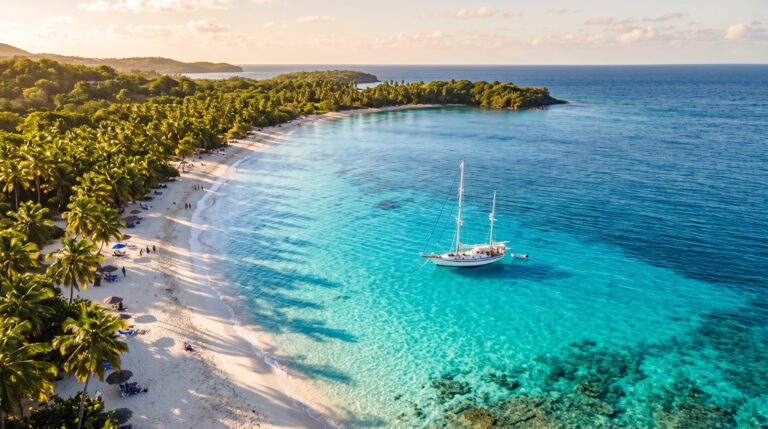
When people talk about the Dutch Caribbean islands, they’re usually dreaming of warm trade winds, colorful towns, and crystal‑clear water that feels like it was made for postcards. These six islands form part of the Kingdom of the Netherlands and each one has its own vibe, from quiet volcano hikes to casino nights and world‑class diving.
If you’re planning a Caribbean escape and want a mix of adventure, culture, and laid‑back beach time, the Dutch Caribbean is a great place to start.
Contents
- 1 Sint Eustatius (Statia): Slow Travel On A Quiet Island
- 2 Saba: A Mountain Rising From The Sea
- 3 Bonaire: Shore Diving Paradise
- 4 Sint Maarten: Beaches, Shopping, And Dual Culture
- 5 Curaçao: Colorful Streets And Coral Reefs
- 6 Aruba: Sunshine, Sand, And Desert Landscapes
- 7 FAQs Dutch Caribbean islands
- 7.1 1. What are the Dutch Caribbean islands?
- 7.2 2. Why are the Dutch Caribbean islands called “Dutch”?
- 7.3 3. Which Dutch Caribbean island is best for beaches?
- 7.4 4. Are the Dutch Caribbean islands good for diving and snorkeling?
- 7.5 5. Do I need a visa to visit the Dutch Caribbean islands?
- 7.6 6. Which Dutch Caribbean island is most family‑friendly?
- 7.7 7. Is English spoken on the Dutch Caribbean islands?
- 7.8 8. What is the best time to visit the Dutch Caribbean islands?
- 7.9 9. Can I visit multiple Dutch Caribbean islands in one trip?
- 7.10 10. Are the Dutch Caribbean islands safe for solo travelers?
Sint Eustatius (Statia): Slow Travel On A Quiet Island

Sint Eustatius, often called Statia, is the Dutch Caribbean island you choose when you want to slow down and really disconnect. This tiny island moves at its own gentle pace, with just one main town, Oranjestad, where you’ll find small shops, local eateries, and historic streets that still feel untouched by mass tourism.
Days here are all about simple pleasures: hiking old trails, exploring historic ruins, and diving at a relaxed, unhurried tempo. If you time your trip for July, you can swap the tranquillity for energy at Statia Carnival, when the island comes alive with music, dance, and traditional food.
Saba: A Mountain Rising From The Sea

Saba is the smallest Dutch Caribbean island, but it hides a big surprise – the highest point in the entire Kingdom of the Netherlands sits here on Mount Scenery. Instead of long sandy beaches, Saba offers dramatic cliffs, rainforest‑covered slopes, and an ecosystem that feels made for eco‑travelers and hikers.
You can reach Saba by small plane or sailboat from nearby Sint Maarten, and once you arrive, life instantly feels more remote and intimate. Travelers come for world‑class dive sites, lush forest trails, and that cozy, close‑knit island feeling where the focus is on nature rather than nightlife.
Bonaire: Shore Diving Paradise

Bonaire is the Dutch Caribbean island that divers rave about to their friends. Because there are few sandy beaches, the coastline has become a dream destination for shore diving, with more than 80 marked dive sites sitting just off the shore.
The water around Bonaire is famously clear, making it perfect for underwater photography, videography, and long snorkel sessions where coral and fish are easy to spot. When you’re not in the water, you can switch gears and go birdwatching, explore the island’s national parks, or relax in one of the many small hotels, villas, and oceanfront apartments that cater to different budgets.
Sint Maarten: Beaches, Shopping, And Dual Culture

Shared between the Netherlands and France, Sint Maarten is a Dutch Caribbean island with a fascinating split personality. The Dutch side of the island covers the southern portion and is known for its lively atmosphere, duty‑free shopping, and buzzing capital, Philipsburg.
With 37 beaches spread around the island, it’s easy to find your ideal stretch of sand, whether you prefer popular beach bars or quieter bays with fewer crowds. The eastern beaches tend to be windier with rougher waves, while the western side is calmer, making it easy to match the beach to your mood – relaxing, swimming, or trying a bit of water sports.
Curaçao: Colorful Streets And Coral Reefs

Curaçao sits close to the coast of Venezuela and has grown into a favorite stop for cruise ships and Caribbean travelers alike. Its capital, Willemstad, feels like a slice of the Netherlands dropped into the tropics, with Dutch‑style buildings painted in bright pastel colors along the water.
Beyond the city, Curaçao blends culture and nature beautifully. You can explore museums and historic districts in Punda, then head out to dive with dolphins or discover easy‑access snorkeling spots where coral reefs run along the southwestern coast. Many visitors love that you can enjoy vibrant town life and still find quiet beaches and underwater parks without needing a boat.
Aruba: Sunshine, Sand, And Desert Landscapes

Aruba is probably the most famous of the Dutch Caribbean islands, and its weather is one of the main reasons. Sunny skies, steady breezes, and very little rain make it a reliable choice if you want a beach holiday that’s unlikely to be washed out.
The island offers an interesting contrast: soft white beaches along the coast and desert‑like terrain inland, which you can explore on hikes or horseback rides. In the capital, Oranjestad, Dutch colonial architecture lines the waterfront, adding a touch of European charm to your Caribbean stay. From snorkeling and casino nights to visiting old gold mine ruins, Aruba keeps most travelers busy without losing its laid‑back “One Happy Island” feel.
FAQs Dutch Caribbean islands
1. What are the Dutch Caribbean islands?
The Dutch Caribbean islands are six tropical destinations that form part of the Kingdom of the Netherlands: Aruba, Bonaire, Curaçao, Sint Maarten, Saba, and Sint Eustatius. Each island offers a different mix of beaches, culture, and adventure, which makes the Dutch Caribbean perfect for island‑hopping trips.
2. Why are the Dutch Caribbean islands called “Dutch”?
They’re referred to as Dutch Caribbean islands because they are territories linked to the Netherlands and share Dutch history, governance, and cultural influences. You’ll notice Dutch architecture, languages, and traditions blended with Caribbean warmth and local customs.
3. Which Dutch Caribbean island is best for beaches?
If you’re chasing long stretches of white sand and calm turquoise water, Aruba and Curaçao are often considered the best Dutch Caribbean islands for classic beach holidays. Aruba is known for its picture‑perfect shores, while Curaçao offers a mix of hidden coves and lively beach clubs.
4. Are the Dutch Caribbean islands good for diving and snorkeling?
Yes, the Dutch Caribbean islands are some of the top diving and snorkeling spots in the region. Bonaire is famous worldwide for easy shore diving, Saba has dramatic underwater landscapes, and Curaçao offers colorful coral reefs close to the coast, making underwater exploration simple even for beginners.
5. Do I need a visa to visit the Dutch Caribbean islands?
Visa rules for the Dutch Caribbean islands depend on your nationality, length of stay, and which specific island you’re visiting. Many travelers can enter visa‑free for short holidays, but it’s always best to check current requirements with official government websites or your local embassy before booking.
6. Which Dutch Caribbean island is most family‑friendly?
Families often gravitate towards Aruba and Curaçao, as these Dutch Caribbean islands offer calm beaches, kid‑friendly resorts, and plenty of activities like snorkeling, boat trips, and easy nature excursions. The welcoming atmosphere and good infrastructure make them ideal for traveling with children.
7. Is English spoken on the Dutch Caribbean islands?
Yes, English is widely spoken on most Dutch Caribbean islands, especially in tourist areas. You’ll also hear Dutch, Papiamentu, and sometimes Spanish, but visitors generally find it easy to communicate and navigate, even if they only speak English.
8. What is the best time to visit the Dutch Caribbean islands?
The Dutch Caribbean islands enjoy warm weather year‑round, so you can visit almost any time. However, many travelers prefer the dry months with more stable sunshine, and plan around school holidays or off‑peak airfare. Checking local events, like carnivals or festivals, can help you pick the most exciting time to go.
9. Can I visit multiple Dutch Caribbean islands in one trip?
Island‑hopping across the Dutch Caribbean islands is absolutely possible, especially between Aruba, Bonaire, and Curaçao or from Sint Maarten to Saba and Sint Eustatius. Short regional flights and ferries make it easy to combine two or three islands in a single itinerary.
10. Are the Dutch Caribbean islands safe for solo travelers?
Generally, the Dutch Caribbean islands are considered safe and welcoming for solo travelers. As with any destination, it’s wise to follow standard travel safety habits, stay in well‑reviewed accommodation, and be aware of your surroundings, but most visitors feel comfortable exploring on their own.