Planning your first trip to Japan’s most iconic peak? This 5 Essential Mt. Fuji Travel Guide covers everything you need to know—from the best climbing season and access routes to must‑see viewpoints and local tips—so you can experience Mt. Fuji safely and unforgettable.
Contents
Why Mt. Fuji Should Be on Your Travel List

As the tallest peak in Japan, at 3,776 meters, Mt. Fuji is not only a stunning natural landmark but also a cultural icon steeped in history and significance. Recognized as a UNESCO World Heritage site in 2013, Mt. Fuji attracts millions of visitors from around the world each year, compelled by its breathtaking vistas and rich cultural narratives. This striking mountain is celebrated not only for its beauty but also for its spiritual importance in Japanese culture, often revered as a sacred site.
Mt. Fuji has been a subject of fascination in various art forms, most notably in the famous “Thirty-Six Views of Mount Fuji” series by the renowned artist Katsushika Hokusai. These artworks have immortalized the mountain in Japanese culture, presenting it as a symbol of strength, beauty, and tranquility. The mountain has served as a muse for poets, artists, and scholars for centuries, bridging the connection between nature and human creativity. Its silhouette adorns countless pieces of art, literature, and folklore, demonstrating its enduring influence.
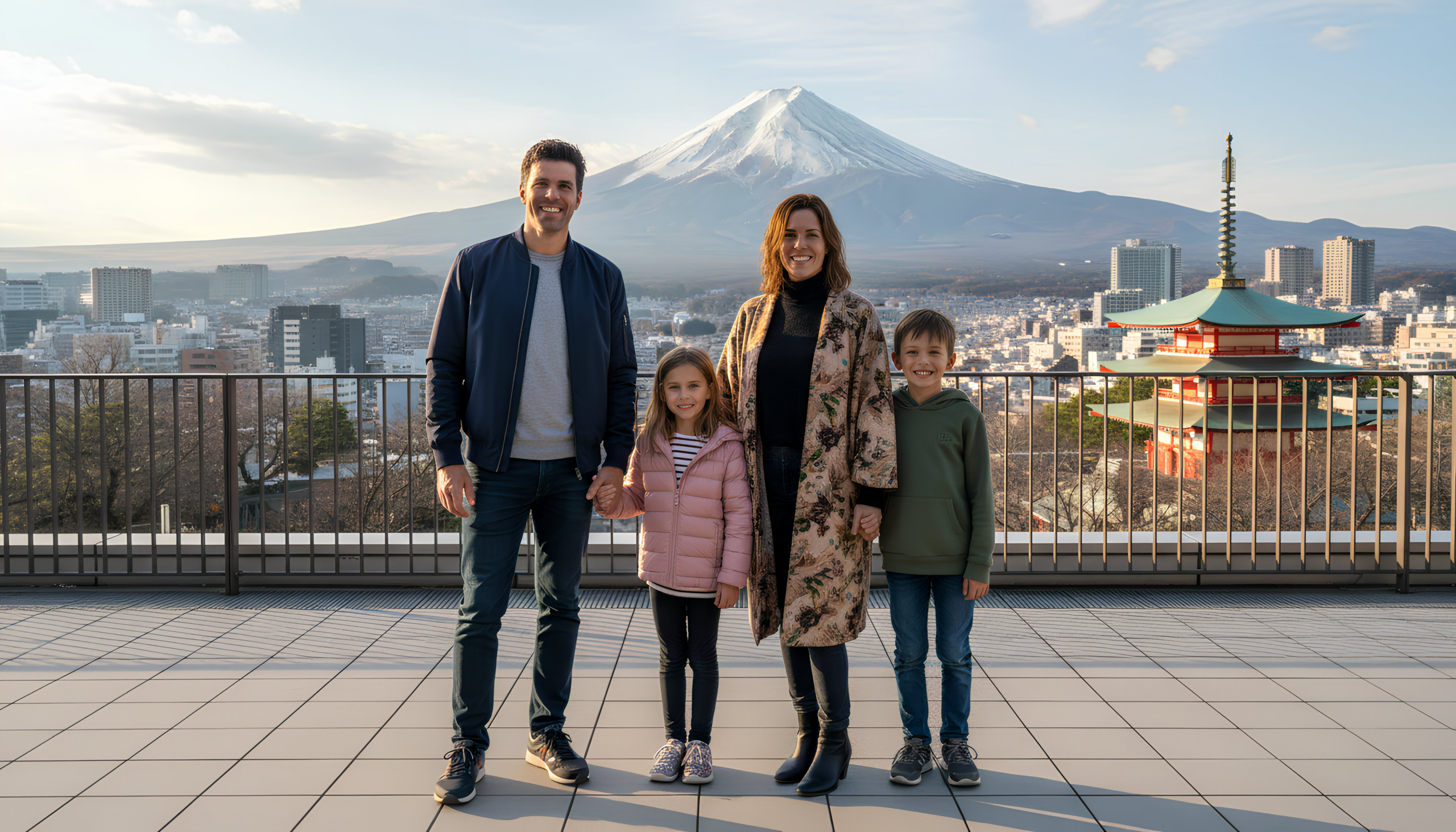
The allure of Mt. Fuji lies in its majestic presence, visible from various points in Tokyo and the surrounding regions, providing an inspiring backdrop to any traveler’s journey. Its awe-inspiring landscapes, characterized by volcanic landscapes, serene lakes, and picturesque cherry blossoms, offer an unmatched experience for nature enthusiasts and photography lovers alike. Additionally, the serenity found in the surrounding areas, such as the Fuji Five Lakes and the picturesque Hakone region, enhances the overall experience of visiting this iconic landmark.
A trip to Japan would be incomplete without a visit to Mt. Fuji, a destination that encapsulates the natural beauty and cultural depth of the country. Its majestic stature and vibrant history make it an essential addition to any travel itinerary, cementing its place as a must-visit destination for international travelers.
Ready to explore Japan’s most iconic peak? Check Here!
Best Time to Visit Mt. Fuji

Choosing the best time to visit Mt. Fuji is essential for an enjoyable experience. The optimal seasons are generally spring (March to May) and autumn (September to November). During these periods, the weather is typically mild, and the views of Mt. Fuji are most spectacular. Spring presents the cherry blossom season, while autumn showcases the vibrant hues of fall foliage, which attract many travelers.
Summer (June to August) offers the chance to hike to the summit, as the trails are open. However, this time also witnesses peak tourist crowds, making it less ideal for those seeking a tranquil experience. If you prefer fewer tourists, aim for early June or late August when crowds are thinner and weather conditions still favorable. Be prepared for potential rain in June due to the wet season, as it may impact visibility and trail conditions.
Winter (December to February) adds a different allure to Mt. Fuji. Snow-capped peaks create stunning landscapes ideal for photography. However, weather can be harsh, with lower temperatures and limited visibility. If you enjoy winter sports, consider visiting during this season to enjoy nearby ski resorts, though the trails to the summit are closed.
When planning your visit, equip yourself appropriately based on the season. In warmer months, lightweight clothing, sunscreen, and hydration packs are essential. For cooler seasons, layering is crucial along with sturdy hiking boots and ample warm gear. Additionally, consider attending seasonal events such as the Fuji Shibazakura Festival in spring and the Fuji Rock Festival in summer, which offer unique cultural experiences alongside breathtaking views. Careful timing of your trip can significantly enhance your Mt. Fuji adventure.
Ready to explore Japan’s most iconic peak? Check Here!
The Convenience of a Guided Tour: Mt. Fuji and Hakone Day Trip

Visiting Mt. Fuji and Hakone can be an enriching experience, and opting for a guided tour enhances the overall journey significantly. Guided tours provide a structured itinerary that allows travelers to fully appreciate the beauty and cultural significance of these iconic destinations without the usual stress of planning and logistics. One of the notable benefits of these tours is the return journey by bullet train, which not only speeds up travel but also offers a comfortable and efficient way to see the stunning landscapes of Japan.
Moreover, guided tours come in various options catering to diverse preferences and group sizes. Whether you are traveling solo or in a large group, there are tailor-made packages that fit every need. For instance, smaller groups might prefer customizable itineraries that focus on specific attractions or experiences, allowing for a personalized touch. This flexibility ensures visitors can spend more time at the sites that interest them the most.
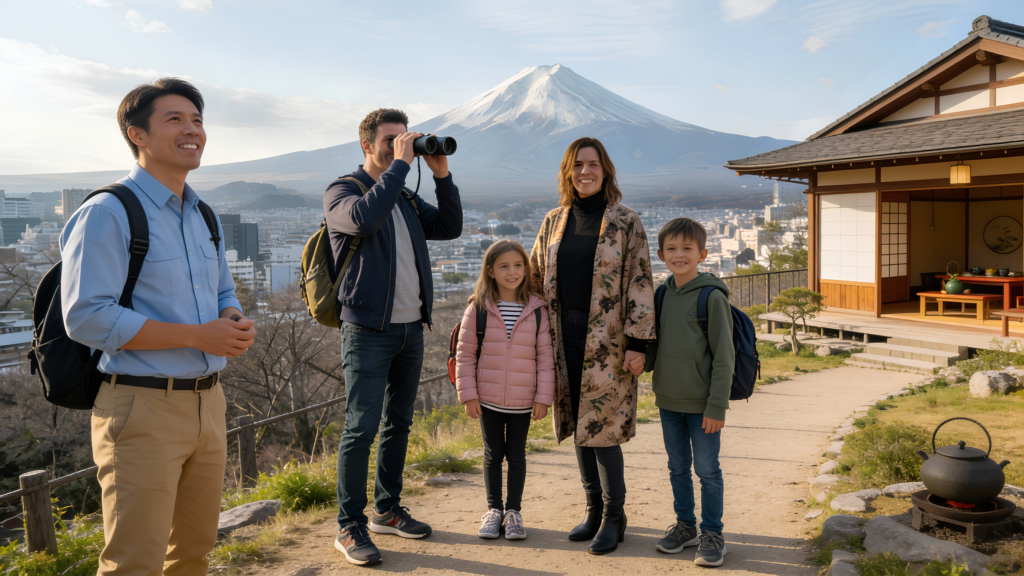
Additionally, a private tour can significantly enhance the experience. With personalized attention from a knowledgeable guide, travelers can delve deeper into the history and significance of Mt. Fuji and Hakone. Guides often share unique insights and local stories that enrich the visit, something that might be overlooked when traveling independently. Furthermore, being part of a guided tour alleviates the hassle of navigating public transport or coordinating travel between various attractions, ultimately leading to a more enjoyable and memorable experience.
Choosing a guided tour for your journey to Mt. Fuji and Hakone not only offers convenience but also facilitates a deeper understanding of these breathtaking sites. Embracing this option can transform an ordinary trip into a comprehensive and immersive adventure.
Ready to explore Japan’s most iconic peak? Check Here!
Planning Your Visit: Tips and Recommendations
Visiting Mt. Fuji requires thoughtful planning to make the most of your trip. One of the first steps is to determine the best time to visit. The autumn months, particularly September through November, offer stunning fall foliage along with mild temperatures. Conversely, the spring months of March to May showcase the breathtaking cherry blossoms against the majestic backdrop of Mt. Fuji. However, summer is the peak climbing season, so if hiking to the summit is on your agenda, prepare for larger crowds.
Packing wisely is crucial for an enjoyable experience. Ensure you include a good pair of hiking shoes, breathable clothing, a light jacket, and sufficient water. If you plan to explore more of the Fuji Five Lakes area, consider bringing a camera to capture the picturesque landscapes and a small picnic to enjoy by the lakeside. Lake Kawaguchi, in particular, provides some of the best viewing points of Mt. Fuji, making it an essential stop on your itinerary.
Transportation options are varied and user-friendly. Public buses connect major sites around Mt. Fuji and are an efficient mode of travel. Alternatively, consider renting a car for greater flexibility in your schedule, allowing you to stop at scenic viewpoints such as the 5th Station, which serves as a launching point for those who wish to hike. Additionally, guided tours are available, offering an informative perspective on the mountain and surrounding attractions.
Finally, prioritize must-see attractions such as the Fujisan World Heritage Center for cultural insights and the Arakurayama Sengen Park for panoramic views. As you plan your visit, remember that a guided tour can enhance your experience, providing expert guidance and ensuring a seamless adventure. Take the time to research and book your tour ahead of time to ensure an unforgettable trip to one of Japan’s most iconic sites.